
Last updated November 14, 2026
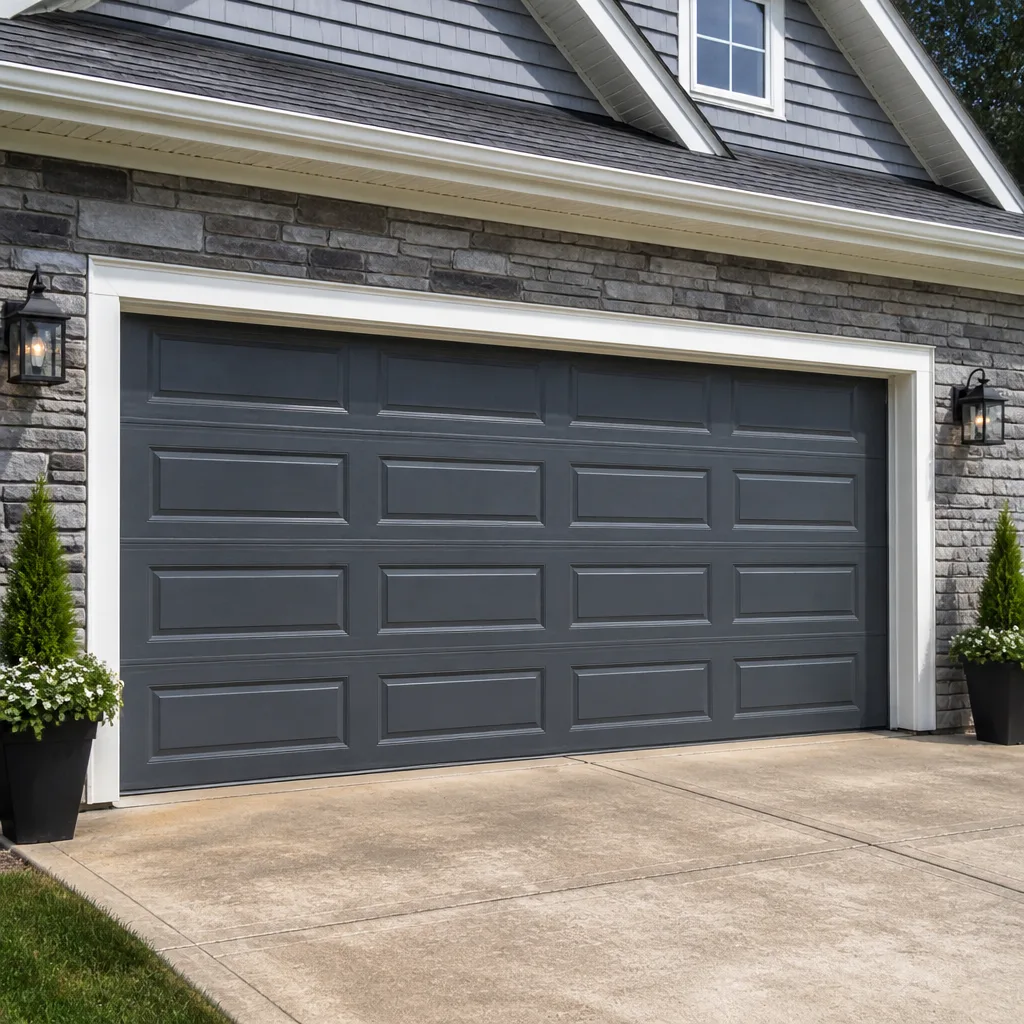 Raised-panel steel
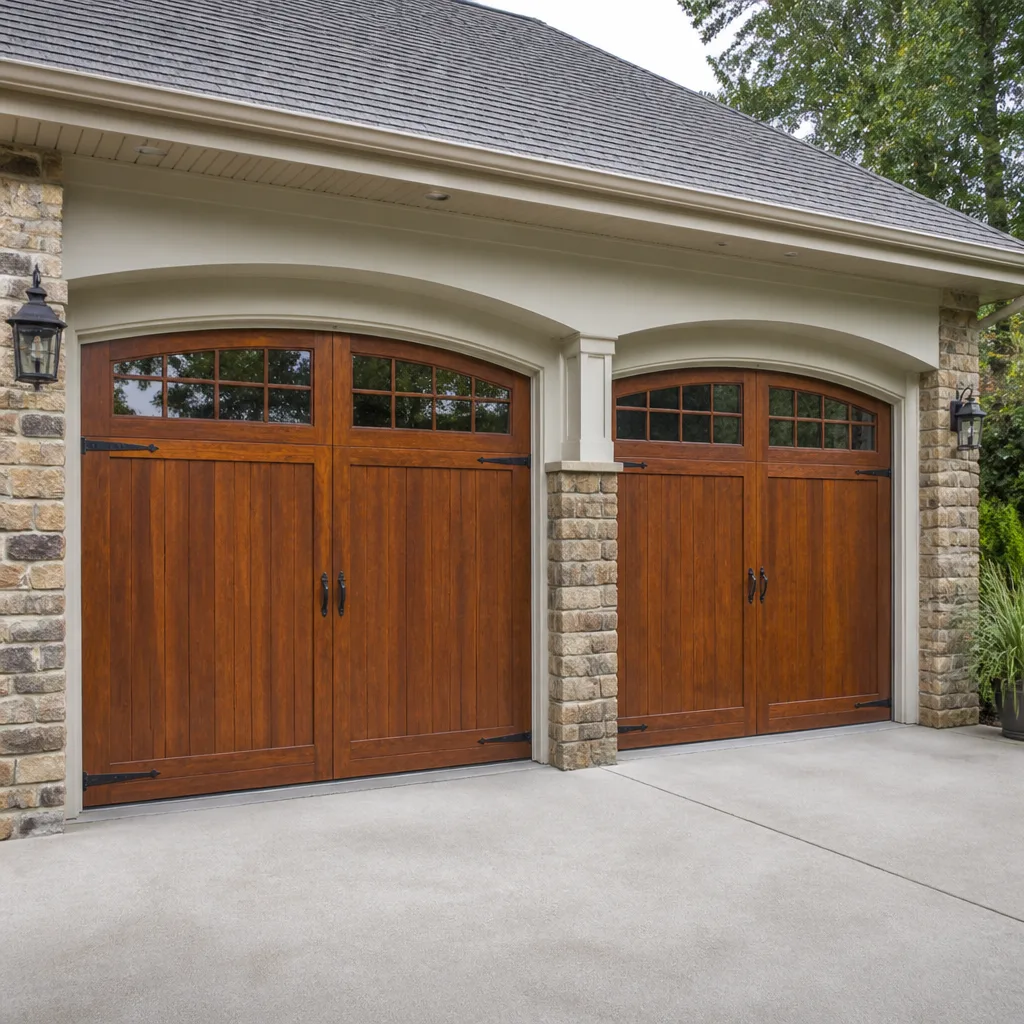 Carriage house
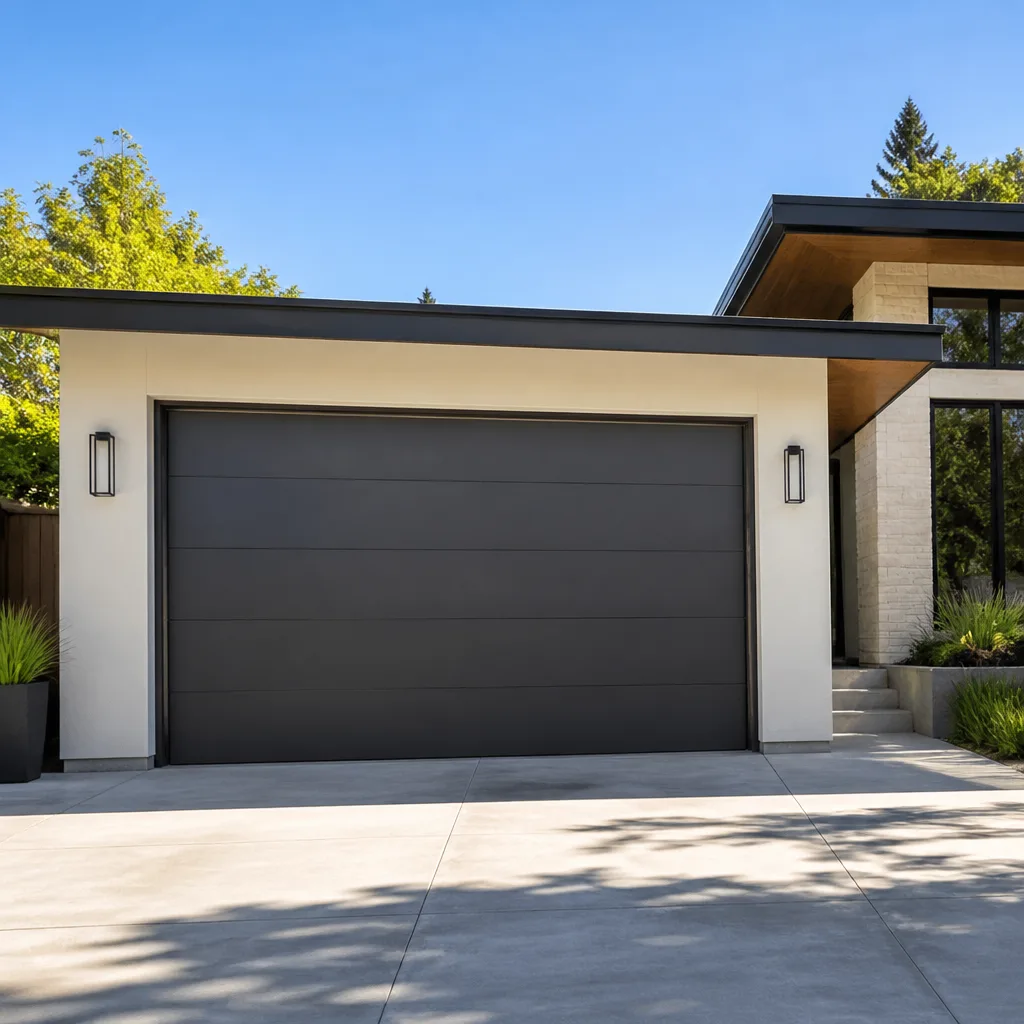 Modern flush
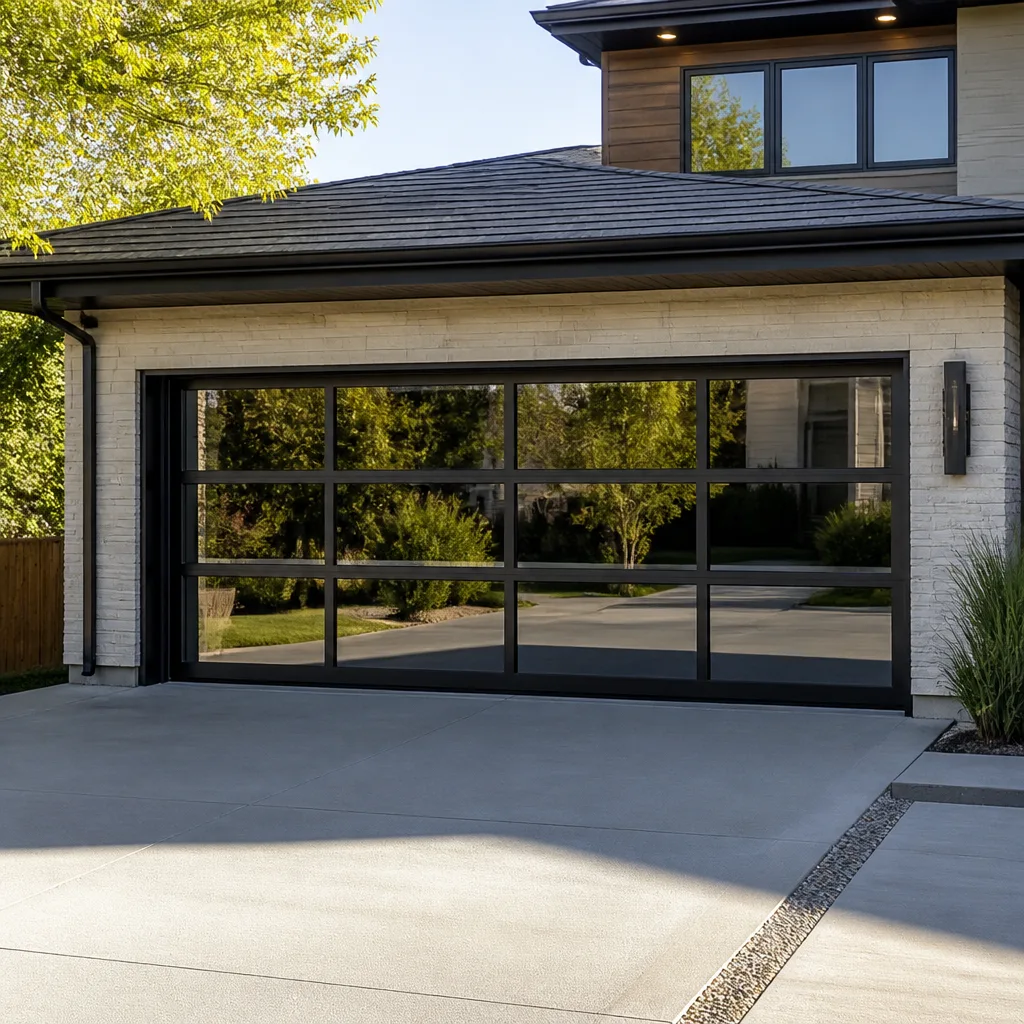 Full-view glass
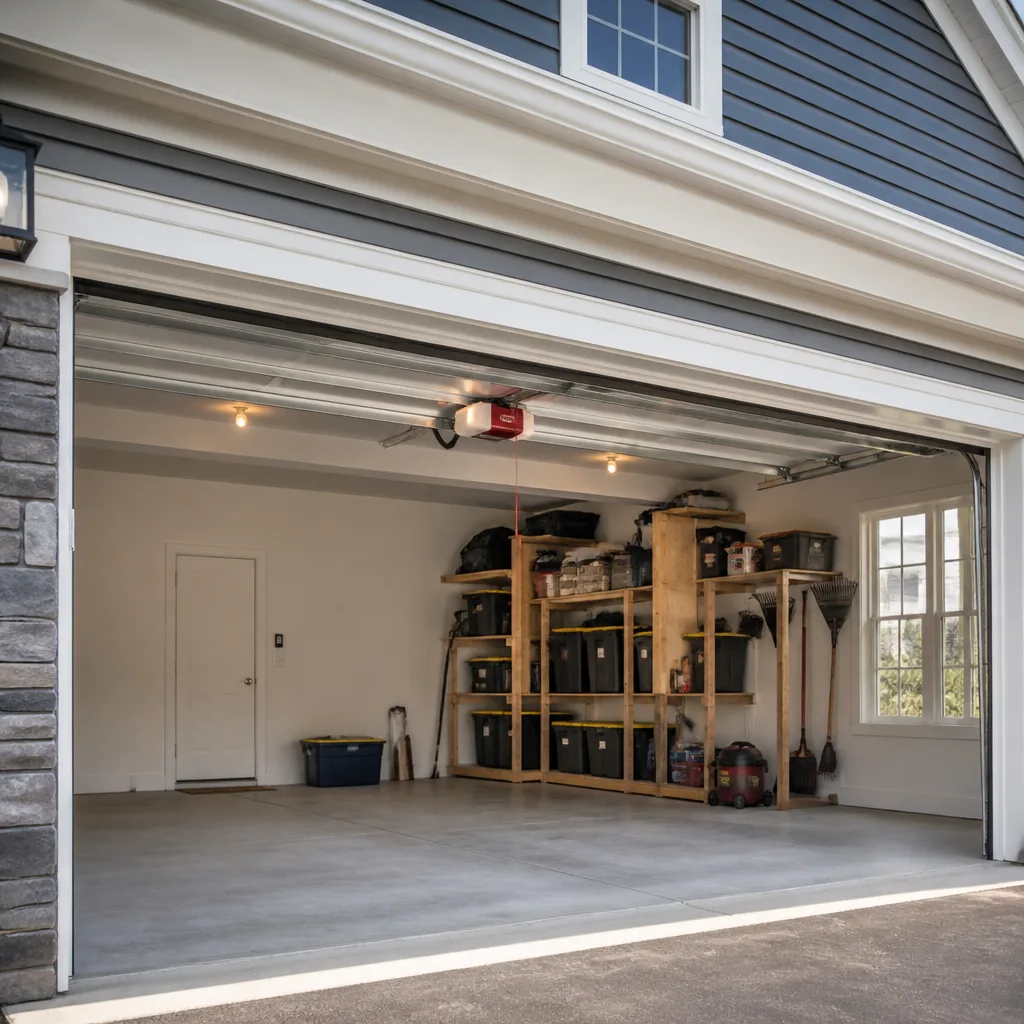 LiftMaster openers
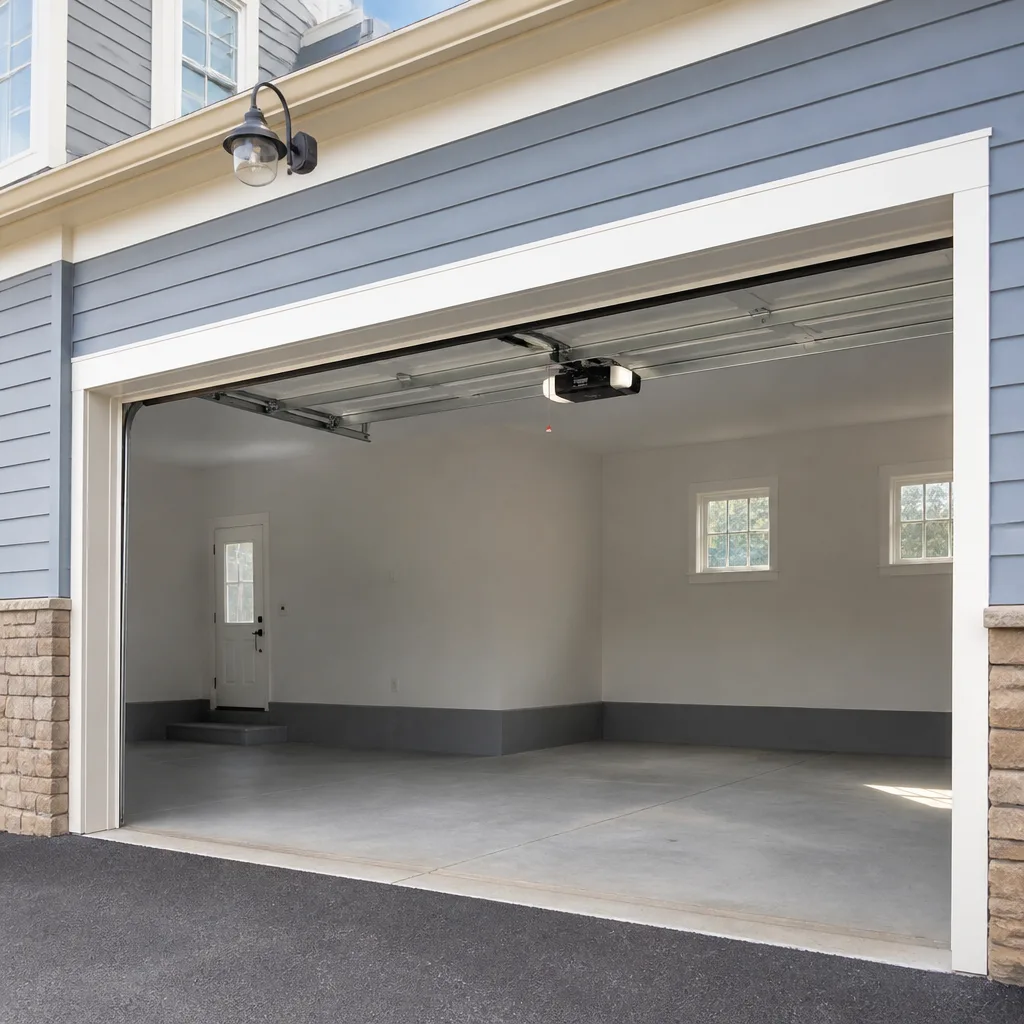 Chamberlain openers
Full 25-point door and opener safety check with every visit - springs, cables, rollers, tracks, and your LiftMaster or Chamberlain opener included
You get a price before we start. It does not change when the pro arrives.
Get your free estimateHow to Hire a Garage Door Contractor in Brownsville: A Step-by-Step Guide
Plenty of people in Brownsville will answer the phone and offer to come out and look at your garage door. That part is easy. What’s hard is finding the one who actually knows what they’re looking at when the door is a Wayne Dalton, the opener is a LiftMaster, and the symptom doesn’t point cleanly at either one. Most of the hiring advice online is written for a generic market, and it tells you to check reviews and get three quotes. That’s a start, but it won’t save you from a generalist who studies your door for twenty minutes before telling you what he thinks might be wrong. This guide walks through how to filter for real brand knowledge before you sign anything, what a legitimate Brownsville estimate should contain, and how to spot the specific red flags that show up in this market.
Quick Answer
Hiring a garage door contractor in Brownsville comes down to one filter: does the contractor actually know the specific brand and system you own, or are they guessing? Ask five brand-specific questions before you let anyone touch the door, insist on a written estimate that itemizes parts and labor, and verify they carry actual liability coverage before the first tool comes out of the truck. A good contractor will answer all of it without hesitation. A generalist will give you a version of “we work on everything.”
Styles & brands we work with
- Raised-panel steel
- Carriage house
- Modern flush
- Full-view glass
- LiftMaster openers
- Chamberlain openers
Table of Contents
- Why Brand Knowledge Matters More Than Proximity
- The Five Questions That Separate Specialists From Generalists
- How to Verify Credentials Before Work Begins
- What a Real Written Estimate Includes
- Does the Recommended Repair Match Your Door?
- Red Flags Specific to the Brownsville Market
- When to Call a Professional
- Frequently Asked Questions
Why Brand Knowledge Matters More Than Proximity
Close to your house is convenient. It isn’t the same as competent. A Brownsville contractor can be five minutes away and still have never opened a Raynor tension assembly, or never paired a Chamberlain MyQ opener with an Amarr sectional. Garage door systems aren’t interchangeable the way people assume. Opener logic boards vary significantly between manufacturers. Trolley carriers, springs, and track geometries differ across door brands. When a technician trained only on one system is staring at a different one, they improvise. And improvisation on a torsion spring under load is exactly the kind of thing that ends with a call to a professional anyway, plus an extra bill for what went wrong the first time.
What we’ve found in our own work across Brownsville is that a surprising number of calls we run come after another contractor already made a diagnosis. Sometimes the diagnosis was correct. Often it was a symptom patch – the technician adjusted what was loose and left the worn component that was causing the looseness in the first place. That’s the difference between brand-trained and generalist work. The specialist knows which failure modes are typical for that manufacturer and age of the door, and the generalist sees what’s visible and guesses at the rest.
Our technicians have up to 12 years of experience across Wayne Dalton, Craftsman, Raynor, and LiftMaster systems, and we see both mechanical and opener failures in the same week. That’s not a sales pitch. It’s the reason we can ask the second right question when the first answer doesn’t fit the symptom.
What brand coverage actually means
A contractor who says they work on “any brand” hasn’t told you anything useful. Every company says that. The productive version of the answer names the brands, and it tells you which specific systems they handle frequently versus which they’ve seen once. It’s fine if there’s a brand they don’t touch. It’s a problem if they claim all of them and can’t describe the difference between a LiftMaster belt drive and a Chamberlain belt drive from firsthand knowledge.
The Five Questions That Separate Specialists From Generalists
Before you let anyone touch the door, ask these five questions. You don’t need to be a technician to interpret the answers. You just need to listen for specifics versus hedges.
- “What brand of opener do I have, and can you tell me which platform it uses?” A specialist will ask what’s on the label or in the manual and answer in terms of the manufacturer’s own system – LiftMaster’s MyQ, Chamberlain’s ecosystem, a Genie legacy unit, a Craftsman. A generalist will say “they’re all similar” or ask you to look while they wait.
- “How do you test a torsion spring versus an extension spring on my door?” The answer should be specific. Springs are dangerous components – a torsion spring under tension stores enough energy to break a bone or worse if it’s released wrong. A technician who can’t describe the tension test and the visual wind-count check in plain language isn’t qualified to touch it.
- “What’s the difference between a symptom and a root cause on a door that won’t close all the way?” A specialist names the possible roots: track misalignment, a bent roller, a limit switch out of adjustment on the opener, an off-level panel. A generalist names one thing.
- “Which door manufacturers do you have current experience with?” Listen for brands you recognize – Clopay, Amarr, Wayne Dalton, Raynor. “Any brand” with no elaboration is a pass, not an answer.
- “If you open the door and find one issue, how do you communicate a second charge before doing the work?” The correct answer: they don’t. The written estimate comes first, in writing, and any additional work gets your approval before they proceed.
A vague answer on any one of these isn’t automatically disqualifying – some techs are quiet and put the detail in the written estimate. A vague answer on three of them is a signal to keep dialing. On the first question specifically, if a technician mentions brands they clearly don’t know well, ask them to name the system on your door. You’d be surprised how often that simple prompt separates the trained from the guessing.
Why the opener and door have to be treated together
One more nuance worth knowing. A door that won’t close isn’t always the door’s fault, and an opener that won’t lift isn’t always the opener’s. A worn bottom roller or a slightly off-level floor can overload the open motor and cause intermittent limit switch trips that look like an opener failure. A technician who only diagnoses the opener half of the system will replace the board on a door that just needed a roller. Ask how the contractor approaches the system as a whole – and if they describe only one side (doors but not openers, or openers but not doors), you’ve learned something important about the scope they can actually diagnose. Our full-spectrum approach to garage door repair is built on the assumption that the two halves fail together, and we scope every job as a whole system before quoting.
How to Verify Credentials Before Work Begins
Texas doesn’t license garage door installers or repair technicians the way it licenses electricians or plumbers – there’s no statewide trade license for door work. That changes the verification script. What you can and should verify is liability insurance and general business standing. What you can’t ask for is a state license number, because for this trade it doesn’t exist. A contractor who flashes a “license” for garage door repair in Brownsville is either showing you a business registration or misrepresenting something else.
- Business registration: the business name on the estimate should match the name on file with the Texas Secretary of State or the county if they’re a registered entity. You can look up most names online.
- General liability insurance: request a certificate of insurance, and ask them to have their insurer send a fresh copy directly to you. A certificate that names a policy period that’s already lapsed isn’t coverage.
- Workers’ compensation (or an exemption): if the contractor brings a helper, that helper needs to be covered. Texas allows small businesses to opt out of workers’ comp, so ask the question and accept the answer if they can document the alternative.
- Address and phone consistency: the phone number and business name should be the same on the estimate as on the truck, the website, and the insurance certificate. Inconsistent details are a signal.
- Written scope before tools come out: the estimate should have a clear scope of work – what’s being replaced, what’s being adjusted, what’s being left alone – and it should be in your hand before anyone opens a toolbox.
We’re state-registered and carry liability coverage, and we’re happy to walk you through the paperwork before you book anything. The short version for homeowners: don’t take a business card as proof of coverage. Ask for the certificate.
What a Real Written Estimate Includes
A verbal quote isn’t an estimate, no matter how confident the person delivering it sounds. The written version is the one that matters when the invoice shows up, and it should contain enough detail for you to check the work afterwards. If a contractor won’t put it in writing, they’ve told you what the rest of the relationship will look like.
A legitimate written estimate for garage door work in Brownsville should include:
- Your name and the address where the work will happen, plus the date the estimate was issued.
- The business name, an address you can verify, and a phone number. No phone number on the estimate is a red flag.
- The door make and model, and the opener make and model if the work involves the drive system.
- A line-item list of parts – springs (and whether one or a matched pair), rollers, hinges, cable, panels, opener components. Each with quantity and brand where relevant.
- Labor hours or a flat labor line. A flat labor line is fine. “Additional labor as needed” without a rate is not.
- Disposal and haul-away if old parts or panels are being removed.
- The total, clearly marked as an estimate, and a line stating that the final price is set by written change order before any additional work begins.
- The technician’s sign-off and yours, if it’s an authorization to proceed.
What a low-ball verbal quote leaves out is all of the above. It leaves out the second spring, the haul-away, the opener adjustment that turns out to be needed once the door is moving cleanly, and the labor line for any of it. Then it lands on the invoice. The written estimate exists to prevent exactly that outcome – and if the price changes once the tech is on site and sees the door, a proper change order and your signature come before the extra work, not after.
Pricing on a garage door job
We don’t publish a price list because the cost genuinely depends on the door, the failure, and the parts involved – a spring replacement and a full section panel replacement are not in the same category. What we do promise is that the estimate is free, the price is set per job, and the written estimate is what you’ll actually be invoiced. Call Brownsville dispatch at (855) 360-7115 for a free estimate before you commit to anyone, including us.
Does the Recommended Repair Match Your Door?
This is the hardest part of the hiring decision and the one most homeowners get wrong. A repair recommendation can be technically possible and still be the wrong call for your door’s actual age and condition. A technician who’s trained on the brand knows what to expect at a given age, and they’ll tell you when the sensible answer is to repair and when a replacement is a better use of the money. A generalist recommends what they can do, not necessarily what your door needs.
Use a few questions to cross-check the recommendation:
- “What year was the door installed?” If they don’t know and won’t look for evidence (the operator manual, a sticker, the manufacturer’s date code inside the opener casing, or the model numbers stamped on the end stiles), the recommendation is a hunch.
- “Is this a part that fails on all doors, or one that typically fails on this brand?” A trained tech can answer. A generalist will say “they all fail eventually.”
- “If this repair works, how long should the fix last for a door this age?” Honest answers include ranges, not promises. Fifteen years is not a normal answer for a fifty-year-old door. Three to five years may be realistic. Ask.
- “What’s the alternative, and what’s the difference in cost?” If the tech can’t lay out a repair-versus-replace comparison with rough numbers, they’re steering, not advising.
- “Can you show me the failure on the door?” A trained technician can point to physical evidence – a worn cable, a bent track, a stretched spring with a visible gap. If they can’t point at something, be cautious.
When we send someone out on garage door opener repair, they arrive ready to check the door and the drive together, because we can’t make a clean recommendation on one without looking at the other. The door’s age, the door’s brand, and the opener’s brand all factor into whether a repair makes sense or whether a partial replacement is the honest call. If a technician is recommending a repair without having asked about the door’s history, or without opening the manual for its specific make, ask them to pause until they have.
Red Flags Specific to the Brownsville Market
Brownsville has a garage door market that runs deep on remodel work, older homes in established neighborhoods, and a steady volume of new-construction installs. That mix means you’ll meet some contractors who know the newer systems well and others who’ve been doing it a long time on older stock. Neither is a red flag by itself. The ones below are.
- “We carry every brand” with no specifics. When pressed, they can’t name the manufacturers they’ve worked with or tell you which ones are common in Brownsville. A trained multi-brand specialist names them – LiftMaster, Chamberlain, Genie, Clopay, Amarr, Wayne Dalton, Craftsman, Raynor – and describes the failure modes they most often see for each.
- Verbal quotes only, and no estimate on paper. If they won’t put the price in writing, they won’t be able to answer for anything that changes once they arrive.
- Cash-only, and no receipt. Cash isn’t inherently a problem, but a contractor who refuses any other form of payment and won’t provide an invoice with a business name is hiding something – either their tax position or their insurance position. You don’t want to be the reason the job becomes uninsured.
- “We can be there in an hour” for anything. Fast response is good for an emergency – a door that’s stuck open, a cable that snapped, a car locked inside. It’s not a reason to skip the estimate on an install, a full replacement, or anything that has to be measured and ordered. A contractor who treats every job as an emergency has been trained to close the sale before you have time to think.
- Upsells that don’t match the door. A new opener on a door with worn rollers doesn’t solve anything. A new door because a spring broke is over-selling. A new spring pair when the technician can’t show you the failure is worth questioning.
- No warranty on the work, and no paper trail. Even the simplest repair comes with a callable outcome. If they don’t volunteer what happens if the repair doesn’t hold, ask.
- Brand recommendations that don’t match your opener or door. If you own a Raynor door and the contractor is steering you to a different manufacturer without a specific reason tied to your system, that recommendation is about stock, not fit. Our recommendations are based on what fits the door, the budget, and the way you actually use it – not on what’s easiest to source.
What a legitimate Brownsville estimate looks like
For comparison, here is the pattern a legitimate estimate tends to follow. The contractor arrives with a measuring tape, opens the door at least once, and asks how you use it – is the door used multiple times a day, is it a heavy door, is there a car parked under it most of the time. Then they name the fault, name the parts, and put the numbers in writing. If you’re at the start of the process and want an overview of what Amberly Garage Door Repair actually handles, that’s a good place to start before you pick up the phone.
Common Mistakes to Avoid
- Hiring on price alone. The lowest quote almost always wins on paper and loses on scope. Get a full itemized estimate from at least two contractors and compare line items, not totals. A quote that’s $150 lower but leaves out the haul-away and the second spring isn’t cheaper.
- Not asking which brands the contractor actually knows. “Any brand” is a marketing phrase, not a qualification. A Brownsville contractor who can’t describe the difference between a Wayne Dalton and a Clopay door hasn’t handled enough of either to know the failure patterns.
- Letting a technician touch the spring before you’ve seen the written estimate. Springs are the most dangerous component on the door. The estimate should cover the spring replacement, the matched pair if it applies, and the labor – before anyone touches it. A technician who starts the work before the paperwork isn’t saving you time.
- Accepting a verbal warranty. Ask what the warranty covers, how long it lasts, and whether it’s on labor, parts, or both. Get it in writing on the estimate.
- Letting a generalist diagnose the opener alone. If they look at the opener without looking at the door, they’re guessing at half the system. A door that’s off balance, or has a worn bottom roller, can cause an opener to fail limit tests in ways that look like the opener’s fault.
- Skipping the insurance certificate because the contractor seems trustworthy. Trust isn’t a substitute for coverage. Ask for the certificate, ask for it to come from the insurer, and check the dates.
- Not asking about disposal. Old doors, panels, and springs need to leave the property. A contractor who doesn’t mention disposal will either leave it in your driveway or add a surprise line on the invoice.
When to Call a Professional
Some jobs are genuinely hazardous to attempt without training, and torsion springs sit at the top of that list. A spring under tension stores a large amount of energy. When it releases unexpectedly, the load travels. The cables on a garage door carry the same risk, and the structural panels on a modern sectional door can be heavier than they look. Electric panels and opener wiring carry their own risk of shock, and anything involving the opener’s electrical board or a new circuit is not a homeowner job. If you’re not certain the power is dead at the right breaker, call a professional before you touch anything.
The safe scenario is a door that won’t move, a door that’s making an unfamiliar sound, a spring that’s visibly relaxed or broken, a door that opens but won’t close, a door that reverses for no reason, or an opener that runs but doesn’t lift. Those are all reasons to stop using the door and get someone out. A door that’s been impacted – a car, a bike, a ladder leaning on it – deserves a professional look before you open it again, because compromised panels can drop. Amberly Garage Door Repair offers free estimates in Brownsville – call (855) 360-7115. We answer 24/7, and we can get a technician out for a look before you decide anything.
Frequently Asked Questions
Garage door repair in Brownsville is priced per job based on the specific failure, the brand, and the parts involved, so we don’t quote a number until we’ve seen the door. We provide a free written estimate with itemized parts and labor before any work begins, and the written estimate is what you’ll be invoiced. Call (855) 360-7115 for a free estimate – we answer 24/7. Fast dispatch from 7am to 7pm, Sunday through Friday.
Texas doesn’t issue a statewide trade license for garage door installation or repair, so there’s no license number to check. What you can and should verify is the contractor’s liability insurance certificate, their business registration, and their workers’ compensation coverage if they bring helpers. Ask for the certificate to come directly from the insurer with current policy dates. If a contractor tells you they’re “state licensed” for garage door work, ask what license they mean.
We can usually dispatch a technician the same day for a door that won’t close or is stuck open. Call (855) 360-7115 – we answer 24/7, and dispatch runs from 7am to 7pm, Sunday through Friday. If the call comes in outside dispatch hours, we’ll book it into the next opening. The estimate is free, and the price is agreed in writing before any work starts.
We work on eight of the most widely installed garage door and opener brands in North America: LiftMaster, Chamberlain, Genie, Craftsman, Clopay, Amarr, Wayne Dalton, and Raynor. That covers the major smart-home opener platforms like LiftMaster’s MyQ and Chamberlain’s ecosystem, older legacy systems like Genie and Craftsman, and the door manufacturers most common on newer Brownsville homes and remodels. If you’re not sure what brand you have, we can identify it from the door and the opener labels.
No. The written estimate sets the price, and if the technician discovers additional work after they’ve started, they’ll put it in a written change order and get your approval before proceeding. You’ll never be invoiced for work you didn’t agree to in writing. That’s the specific reason we don’t do verbal-only quotes – the paper trail protects you as much as it protects us. Call (855) 360-7115 for a free estimate.
Ask the technician what year your door was installed, what parts typically fail on that brand at that age, and what the alternative costs. If they can answer all three with specifics and show you the physical evidence on the door, the recommendation is probably sound. If they can’t answer any of them, ask them to check the opener’s data label and the door’s model numbers before they go further. Our technicians have up to 12 years of experience across the brands we service, and we’re happy to walk you through the trade-offs in writing.
The Bottom Line
Hiring a garage door contractor in Brownsville comes down to a specific filter: brand knowledge you can verify. Ask the five questions. Get the estimate in writing. Verify the insurance certificate comes from the insurer, not from a business card. Compare line items, not totals. And if a technician can’t describe how your specific brand fails at your specific door’s age, keep looking. The right contractor will answer all of it. The wrong one will keep saying “we handle everything” and hope you don’t push back. Call (855) 360-7115 for a free estimate – we answer 24/7, fast dispatch from 7am to 7pm, Sunday through Friday.
Written by the team at Amberly Garage Door Repair.
See the difference
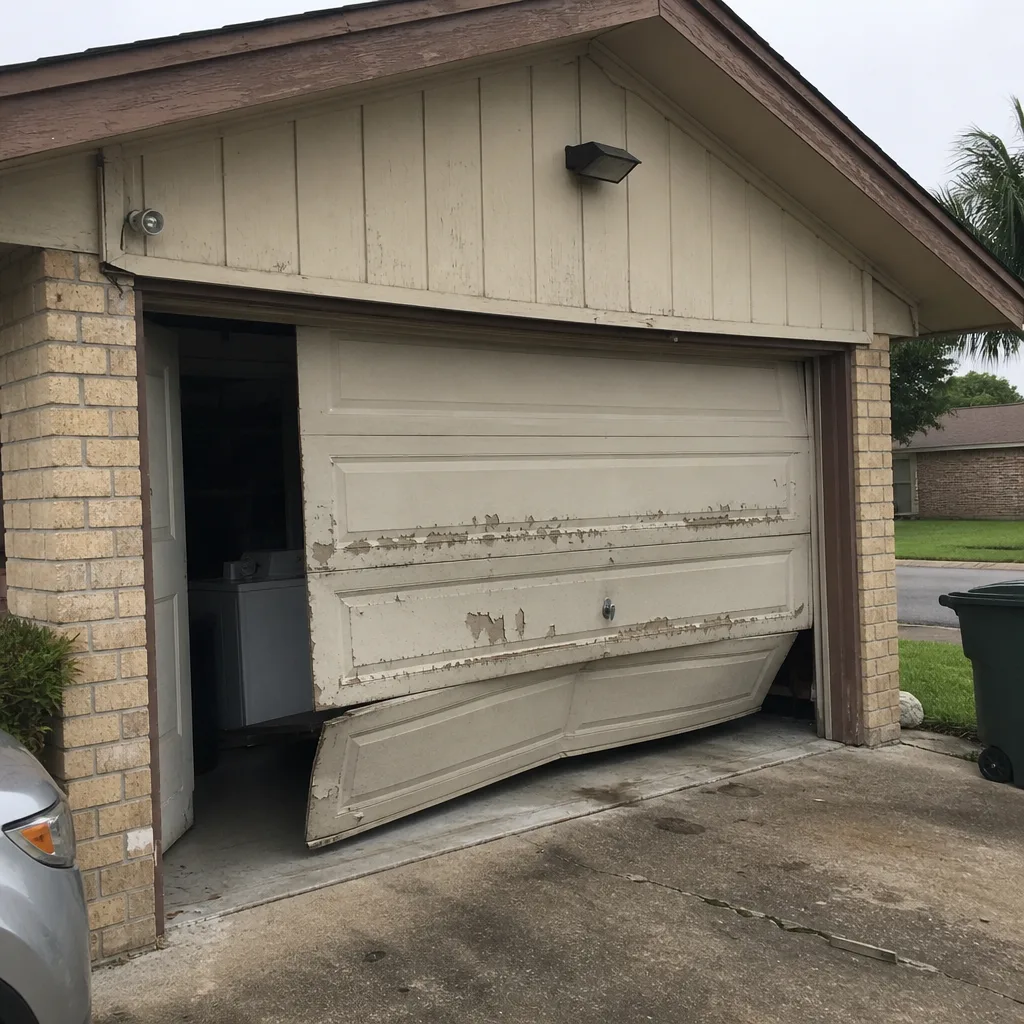 Before
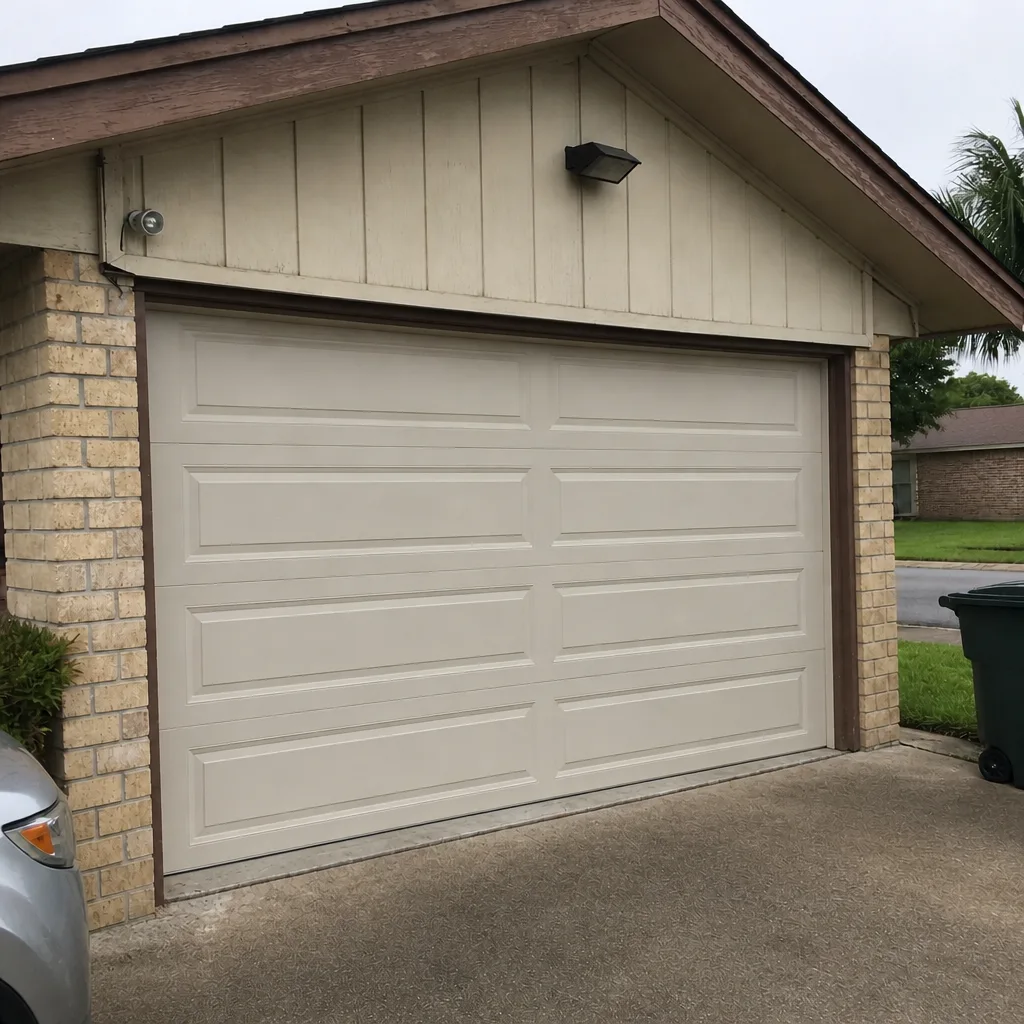 After
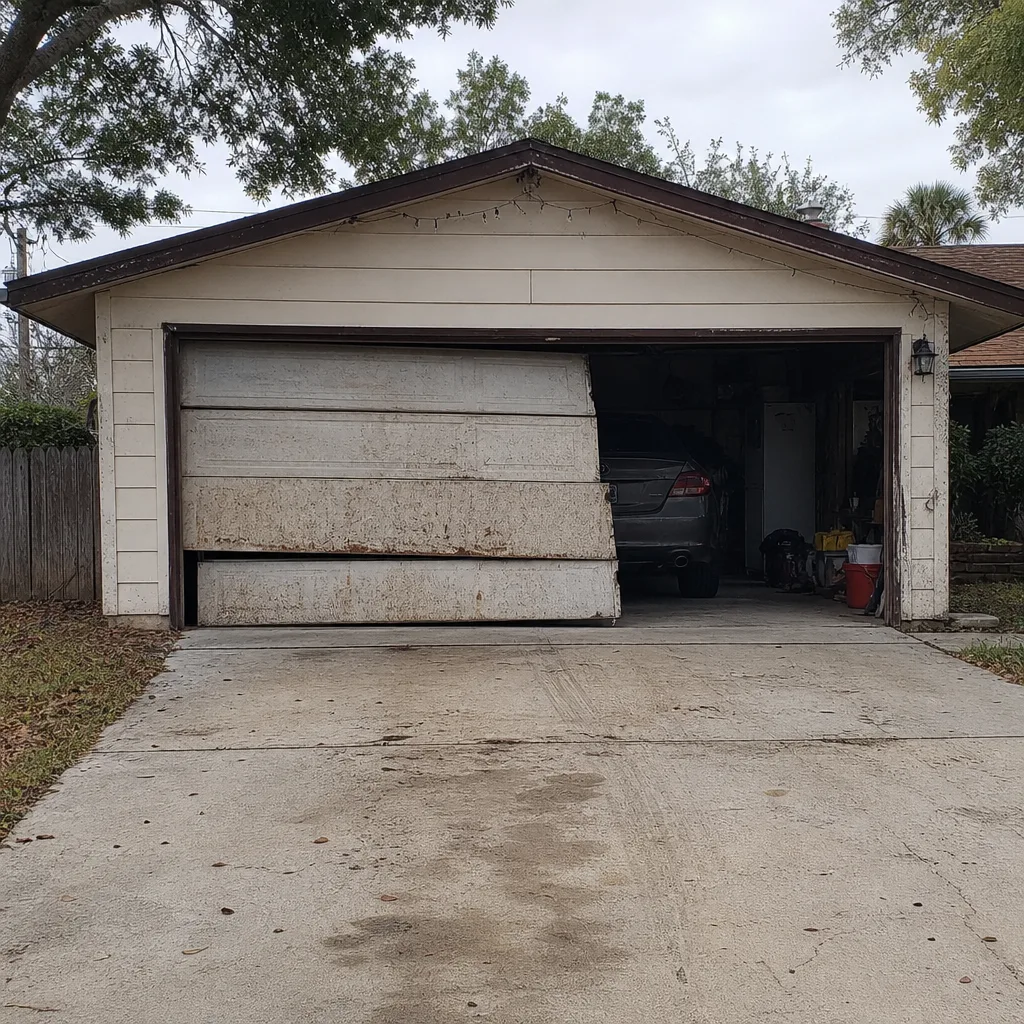 Before
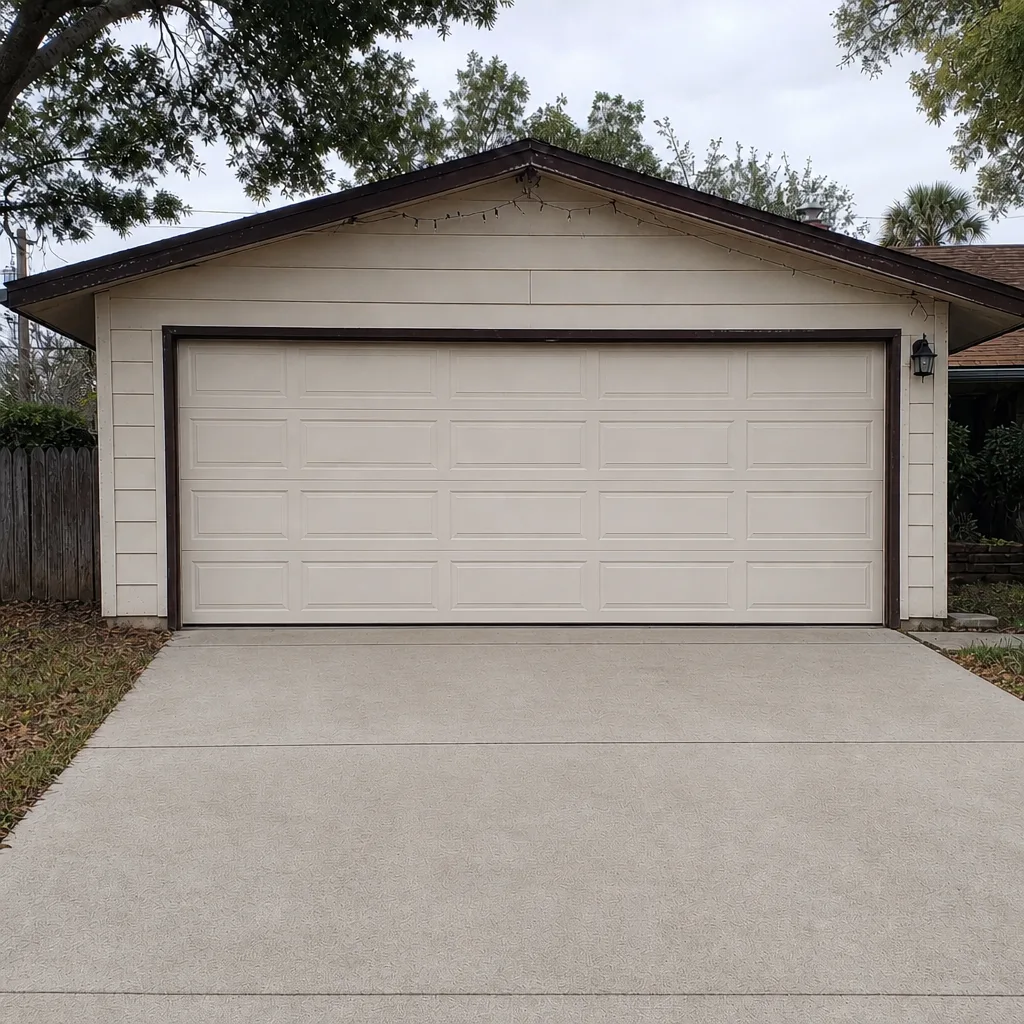 After
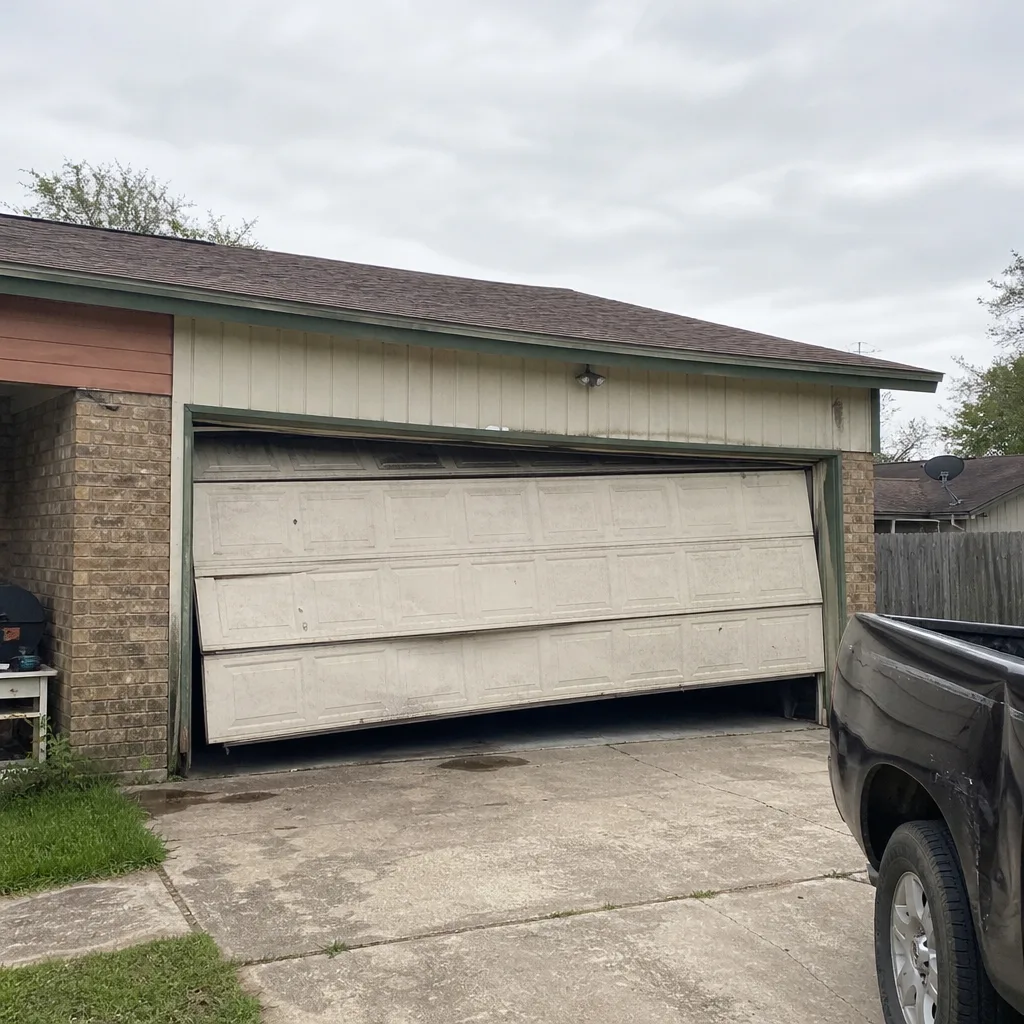 Before
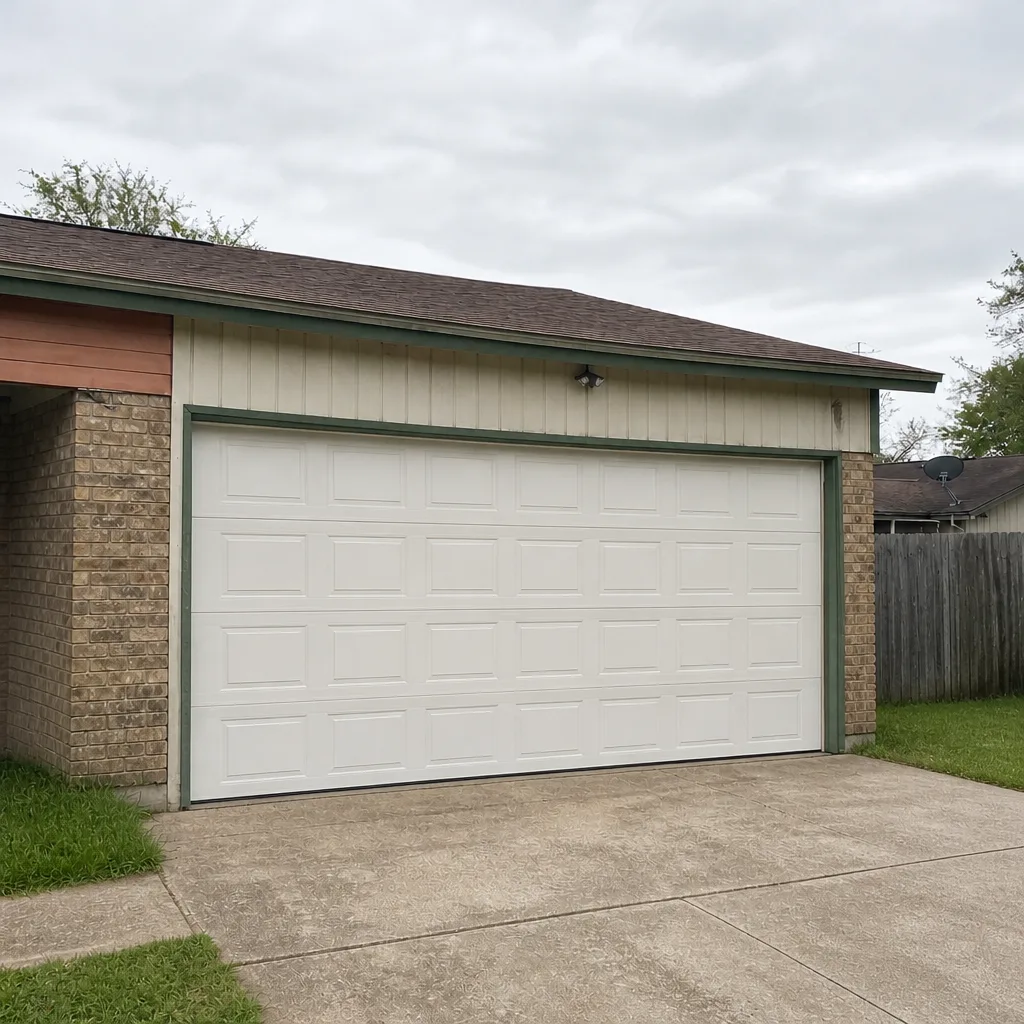 After