
Last updated November 14, 2026
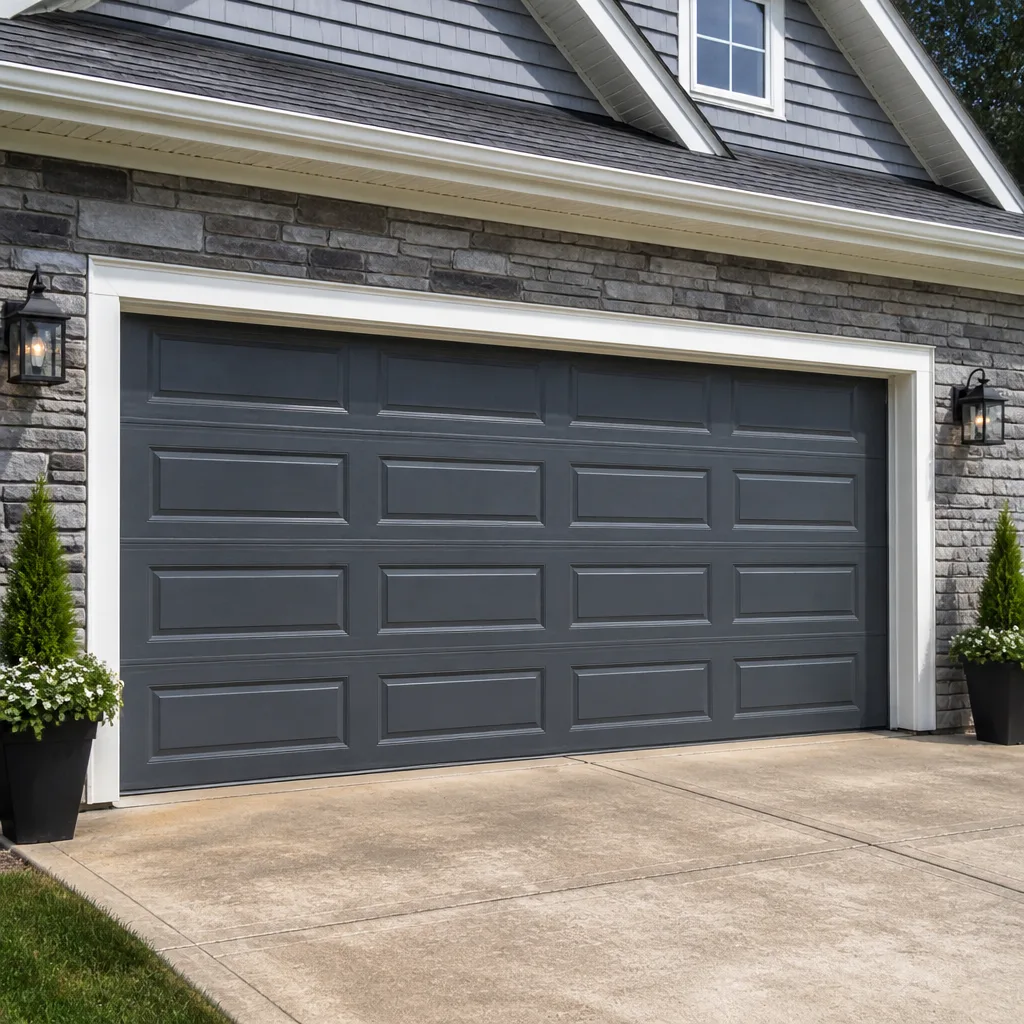 Raised-panel steel
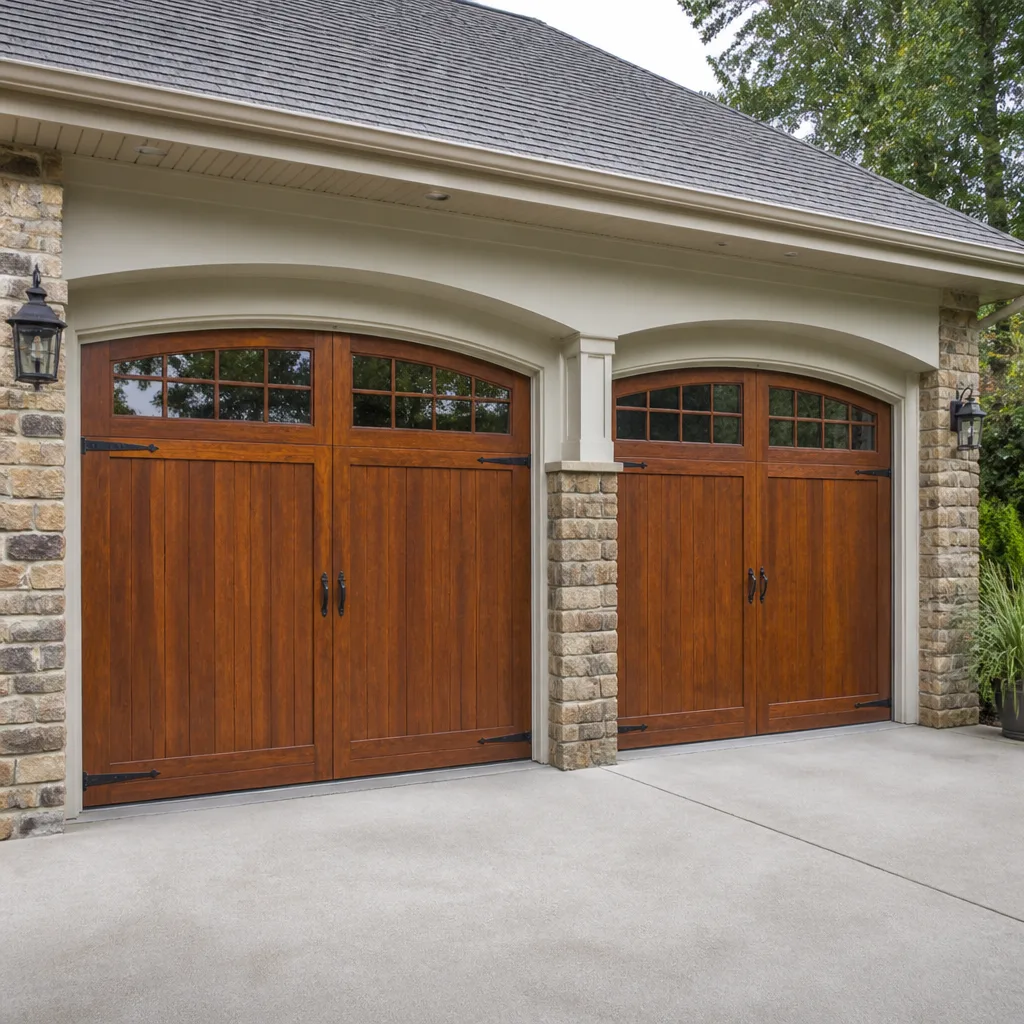 Carriage house
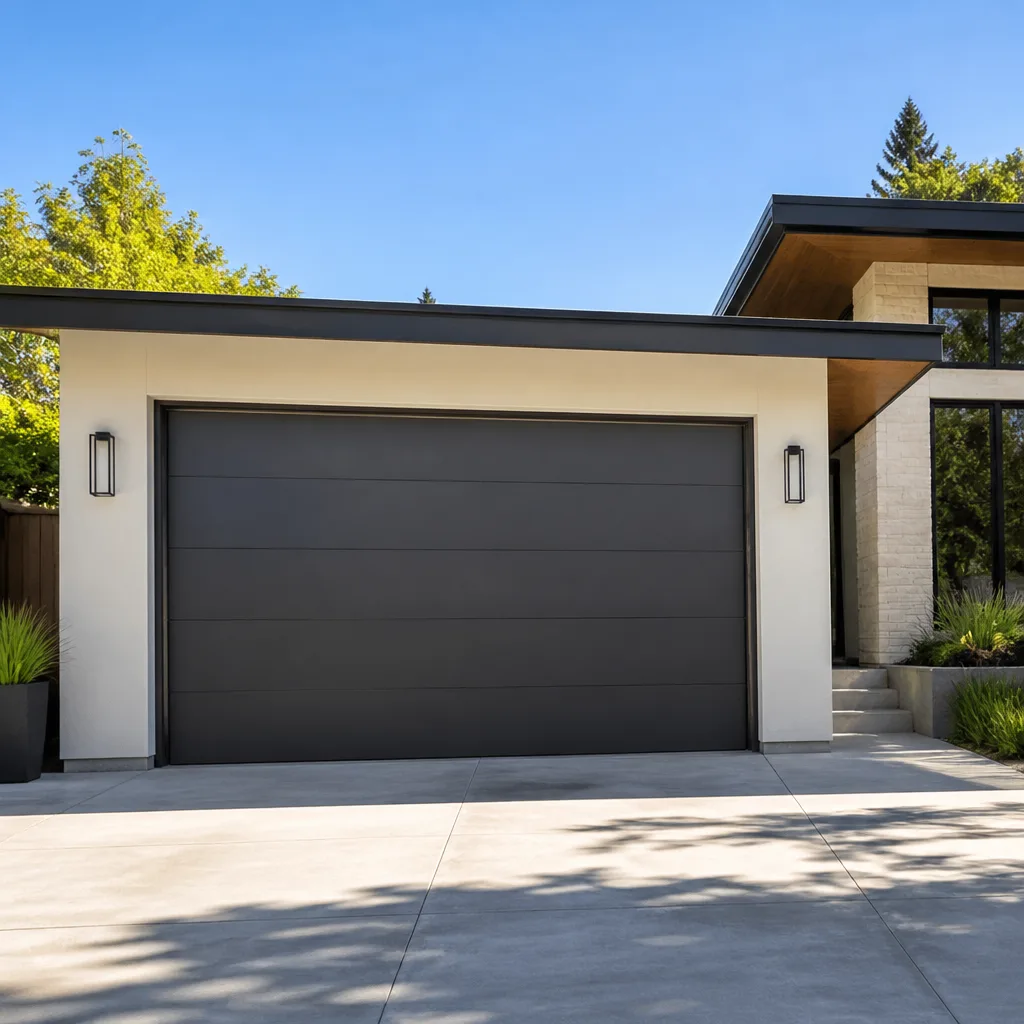 Modern flush
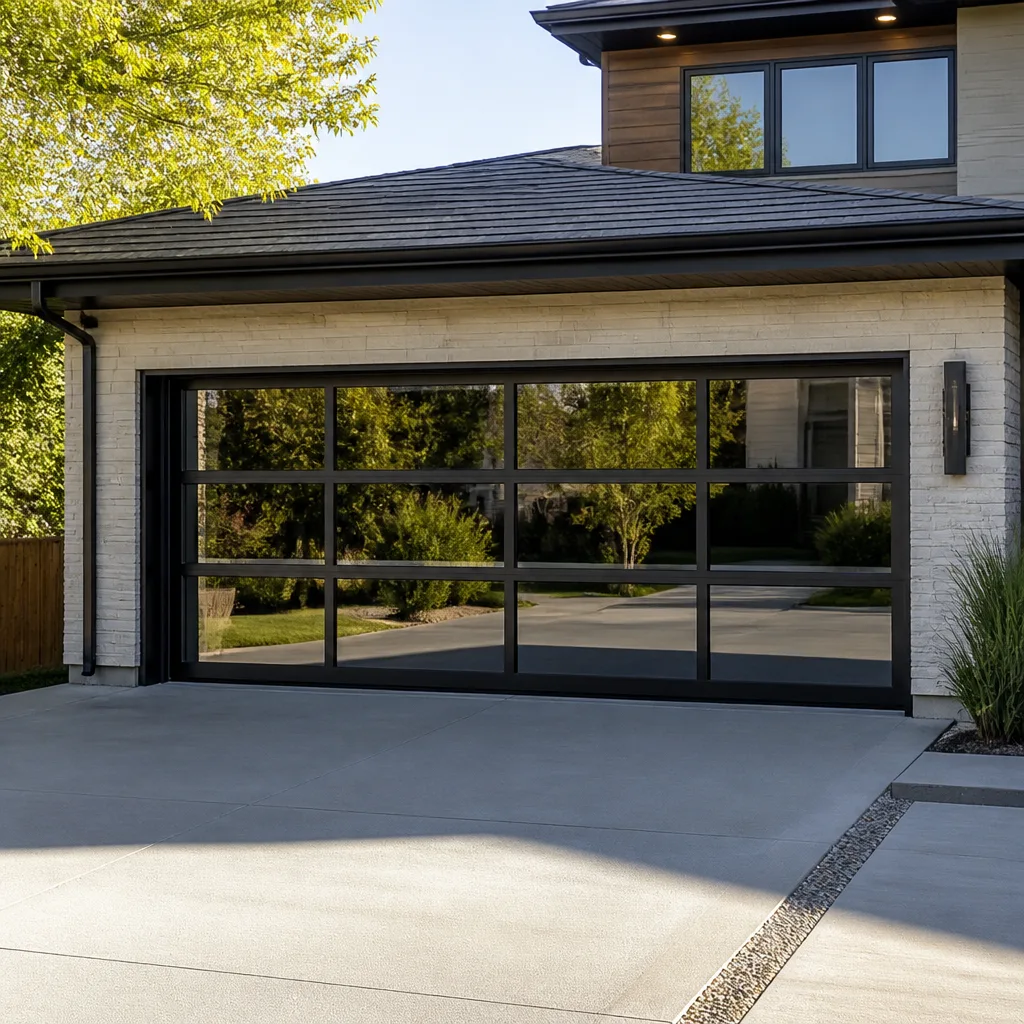 Full-view glass
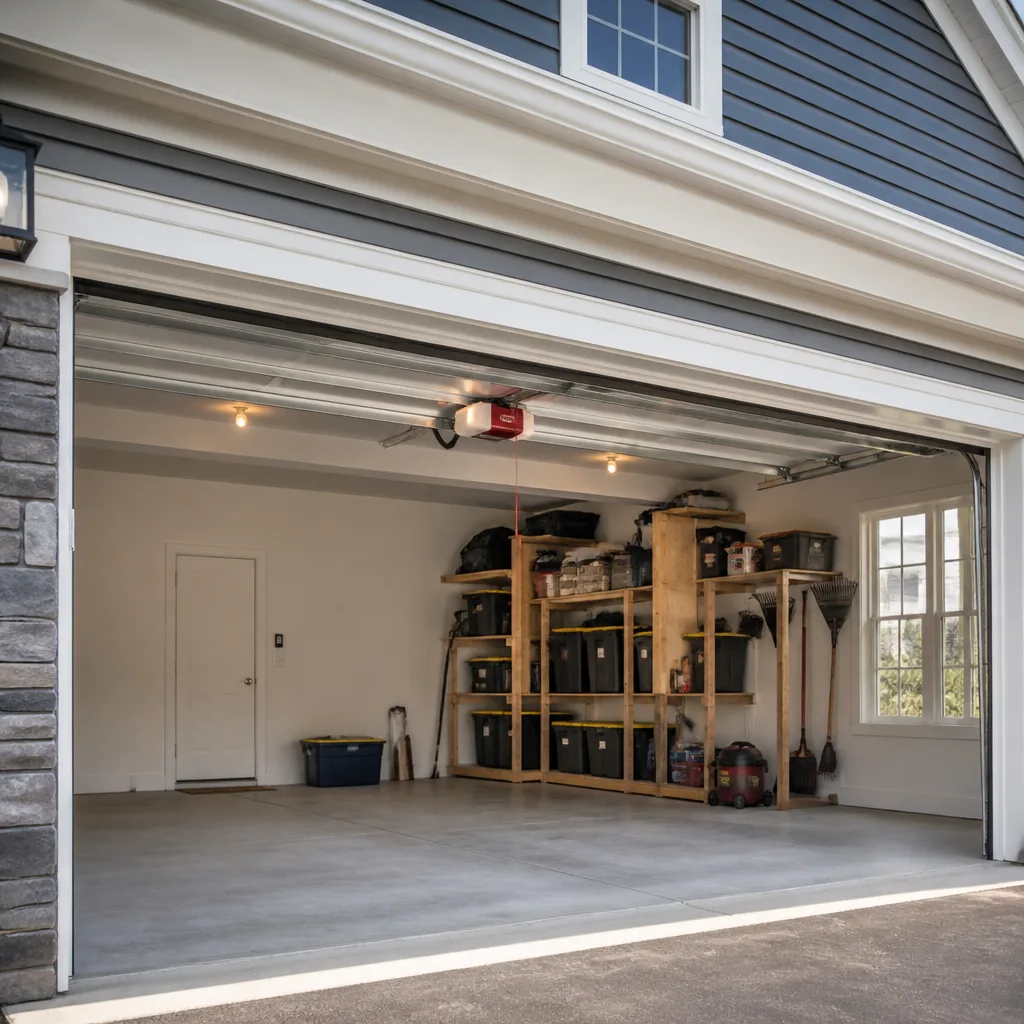 LiftMaster openers
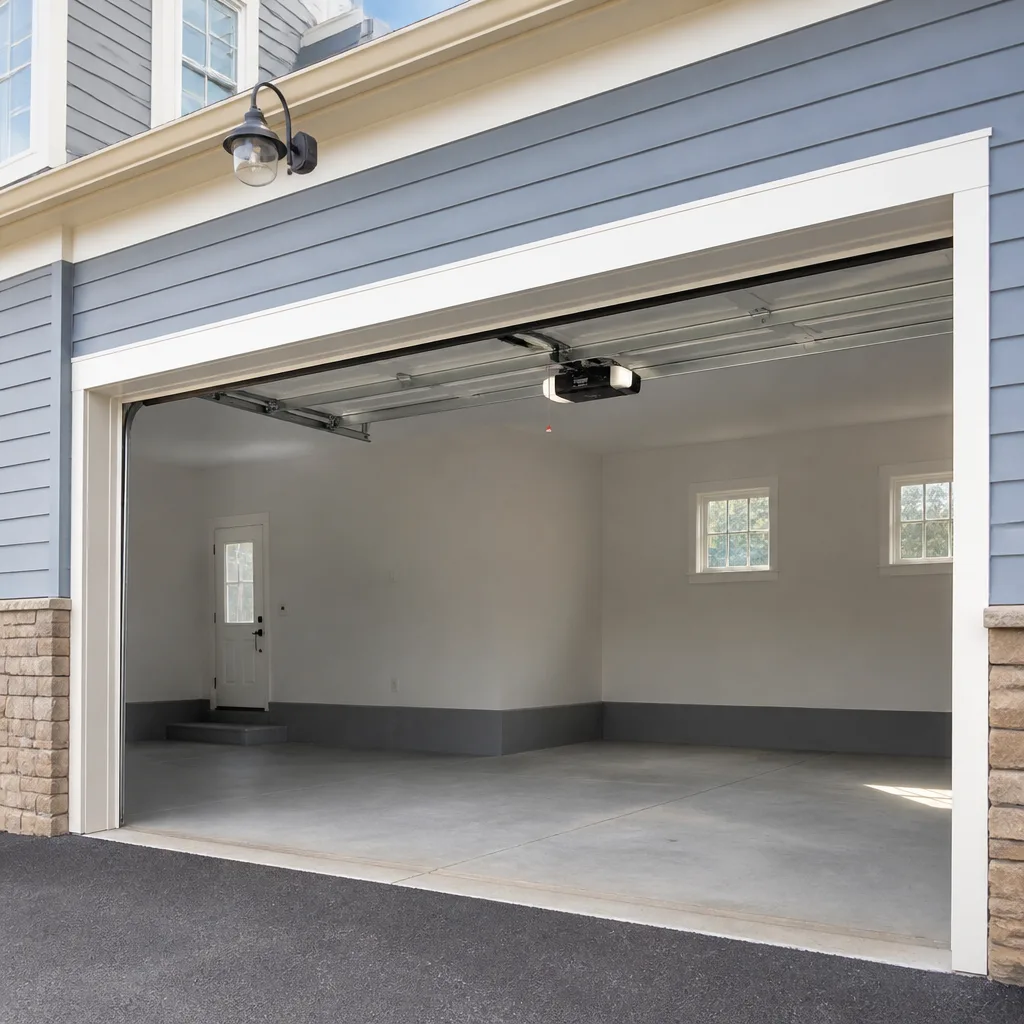 Chamberlain openers
Full 25-point door and opener safety check with every visit - springs, cables, rollers, tracks, and your LiftMaster or Chamberlain opener included
You get a price before we start. It does not change when the pro arrives.
Get your free estimateGarage Door Warning Signs: A Brownsville Homeowner’s Reference Guide
Most garage door advice you’ll read was written for a climate that freezes. Brownsville doesn’t freeze. That changes which parts fail first, and it changes what a warning sign looks like. A door that runs “a little slow” here is often showing you the first readable symptom of spring corrosion that’s weeks away from a full break, not the harmless quirk it sounds like. This guide walks through the sounds, sights and symptoms that matter in our humidity, ranks them by urgency, and tells you which ones you can watch and which ones you should call on today.
Quick Answer
The warning signs that matter most on a Brownsville garage door are a door that reverses before it reaches the floor, a grinding or popping noise during travel, visible rust or flaking on the torsion springs, a door that won’t stay halfway open, and an opener that strains or shudders as it lifts. Any of these means the door or its hardware is out of balance or worn, and the safest move is to stop cycling the door and get it looked at before the failure becomes a sudden one. Sounds that are new, repeated and getting louder are the ones to act on first.
Styles & brands we work with
- Raised-panel steel
- Carriage house
- Modern flush
- Full-view glass
- LiftMaster openers
- Chamberlain openers
Table of Contents
- Normal Noise vs. Failure Noise: What Your Door Is Telling You
- Rust and Corrosion Patterns in South Texas Humidity
- The 60-Second Balance Test Every Homeowner Should Know
- Warning Signs That Look Minor but Aren’t
- The Severity Framework: What Can Wait, What Can’t
- Opener Warning Signs vs. Door Warning Signs
- What You Should Never Try Yourself
- Common Mistakes to Avoid
- When to Call a Professional
Normal Noise vs. Failure Noise: What Your Door Is Telling You
A healthy garage door is not silent, but it is steady. You’ll hear a low hum from the opener, a soft roll from the rollers in the track, and a dull thud when the door meets the floor. What you’re listening for is change. A door that has sounded the same for years and suddenly introduces a new sound is telling you something has shifted, worn or loosened. In our experience across Brownsville homes, the difference between a normal sound and a failure sound usually comes down to three things: whether it repeats on every cycle, whether it’s getting louder, and whether it happens at the same point in travel each time.
The sounds that are usually normal
- A steady hum or whir from the opener motor.
- A soft click when the opener engages or releases the door.
- A gentle roll as the rollers pass through the curved track sections.
- A dull thump when the door contacts the floor.
The sounds that signal a problem
- Grinding: usually worn or dry rollers, or a roller that’s seized and dragging in the track. Ignore it and the track wears with it.
- Popping or snapping: often a torsion spring that’s cracked or a cable that’s jumped its drum. Stop cycling the door and call.
- A loud bang followed by silence: a torsion spring has broken. The door will be extremely heavy and unsafe to lift. This is a same-day call, not a wait-and-see.
- Rattling that grows: loose hinges, bracket bolts or panel fasteners working themselves free.
- A high-pitched squeal: metal-on-metal friction, usually at a hinge or roller stem.
If you can point to the sound with a finger and it happens in the same spot every cycle, that’s usually a hardware location worth checking. If the sound wanders, it’s more often balance or opener related. Our technicians have up to 12 years of experience, and the first thing they’ll do on a Brownsville call is listen to the door run before touching anything.
Rust and Corrosion Patterns in South Texas Humidity
Brownsville’s humidity does more garage door damage than most homeowners expect, and it does it quietly. The problem isn’t rain hitting the door. It’s moisture in the air hanging around metal hardware that never gets a chance to dry out, plus the temperature swings between a warm day and a cooler night that pull condensation onto cold steel. The parts that rust first are the ones under tension: torsion springs, cables, hinges, and the bottom brackets. The door panels themselves usually hold up longer. The hardware underneath is what fails.
The stages of corrosion, in order
- Dull finish and light surface film. The spring or hinge loses its shine and feels faintly rough to the touch. This is the earliest stage. Cleaning and a proper lubricant applied to the right places slows it here.
- Orange-brown speckling. Small rust spots start appearing, usually on the underside of hinges and along the coil of the torsion spring. Lubrication still helps, but the hardware has started to lose material.
- Flaking or pitting. Rust is now lifting off in flakes and the metal underneath has small pits. The part is weakening. Springs at this stage are closer to breaking than their age suggests.
- Deep scaling on the spring coil or cable strands. This is where a spring can snap without warning during a normal cycle. Cables with frayed or rusted strands should be replaced, not watched.
In Brownsville, the visual inspection matters more than the calendar. A spring that looks fine on paper can be halfway to a break because of how it’s been sitting in the humidity. If you want a second opinion on what stage your hardware is at, a garage door repair visit is the fastest way to find out before a snap turns into a bigger job.
The 60-Second Balance Test Every Homeowner Should Know
A garage door that’s out of balance is the single biggest reason openers fail early. Here’s why. The opener is designed to lift a door that’s already doing most of the work itself, thanks to the torsion spring counterbalance. When the spring loses tension, the door gets heavier, and the opener has to pull harder than it was built to. The opener will do it for a while. Then one day it won’t. Testing balance takes about a minute, needs no tools, and tells you more about the health of your door than any other quick check.
How to test door balance
- Close the door fully and pull the emergency release cord so the door is disconnected from the opener.
- Lift the door by hand to about waist height.
- Let go, and watch what happens.
A balanced door will stay roughly where you left it, or drift only a few inches either way. A door that slams back down is carrying too much weight and the spring is under-tensioned. A door that rises on its own is over-tensioned. Either way, the opener is compensating for something it shouldn’t have to.
What an out-of-balance door means for the opener
- The opener motor runs hotter and wears faster.
- The drive gear and belt or chain take more load than they were built for.
- Safety sensors and limit settings drift more often.
- Eventually the opener quits, and the door itself may still be unbalanced underneath.
That last point is the one that catches people. Replacing a LiftMaster or Chamberlain opener without fixing the balance just resets the clock on the same failure. Once the test is done, re-engage the release cord by hand and run the door through one cycle to confirm the opener catches it.
Warning Signs That Look Minor but Aren’t
Some warning signs are obvious. A door that won’t close, a spring that’s visibly snapped, an opener that won’t run at all. Those are easy. The harder ones are the symptoms that look like a small annoyance and are actually the early stage of a hardware failure that’s already in motion. In Brownsville, they’re the ones we get called about most often after they’ve escalated, so it pays to know them in advance.
- A door that reverses before it touches the floor. It looks like the safety sensor is misaligned, and sometimes it is. But a door that reverses only near the bottom often has a bent bottom bracket, a loose cable, or a panel that’s shifted. Adjusting the sensor won’t fix it.
- A door that drifts or hesitates at one point in travel. That hesitation is a roller binding in the track or a hinge that’s seized. Keep cycling it and the track bends at the same point.
- A door that closes at an angle. One side hits the floor before the other. It looks cosmetic. It usually means a cable is slack or a drum has slipped, and that can turn into a sudden drop.
- A single panel that looks slightly bowed. Panels don’t bow on their own. The frame, the rollers or the hinge line is loading it unevenly, and it will get worse.
- A door that lifts a few inches and stops. Often a limit setting on the opener, but on an older Craftsman or Genie unit it can mean the opener is at the end of its travel range and the door weight has changed underneath it.
If any of these are showing on your door, put it on a watch list and get it inspected within the week rather than waiting for the noise to get louder.
The Severity Framework: What Can Wait, What Can’t
Not every warning sign means drop everything. Part of the value of a reference guide is knowing which ones are a this-week call and which ones are a today call. Here’s how we’d sort them, based on what we see on Brownsville doors and what happens if each one is left alone.
Same-day call
- A broken torsion spring, or a loud bang followed by a heavy door.
- A door that has come off its track or is hanging at an angle.
- A garage door opener that smokes, sparks, or trips the breaker.
- A door that reverses on contact with an object and won’t close normally.
- Any sign the door could fall on a person or vehicle.
This week
- Grinding or squealing during travel.
- A door that’s out of balance (fails the balance test).
- Visible rust flaking on the springs or frayed cable strands.
- An opener that strains or shudders when lifting.
- A door that closes at an angle but still closes.
Watch and inspect
- Light surface rust on hinges or a dull finish on the spring.
- A rattle that’s new but not getting louder.
- One roller that rolls a little louder than the others.
- An opener remote that occasionally needs two presses.
- Weather seal that’s starting to flatten at the edges.
Opener Warning Signs vs. Door Warning Signs
The opener and the door share the same cycle, so the symptoms overlap. Separating them is the difference between replacing the right part and replacing the wrong one. A door that won’t lift could be an opener problem, a balance problem, a spring problem, or a sensor problem. If you replace the opener first and the door is still out of balance, the new unit will have the same trouble.
Signs the problem is the door
- The door is heavy by hand (fails the balance test).
- The grinding or popping happens in the same spot every cycle.
- One side of the door lags behind the other.
- The door is difficult to lift with the opener disconnected.
Signs the problem is the opener
- The door is easy to lift by hand but the opener still struggles.
- The opener light flickers or the unit resets on its own.
- The remote or keypad only works from a short distance.
- The opener reverses for no visible reason, or won’t hold its limit setting.
- Wi-Fi pairing drops on a LiftMaster/myQ or Chamberlain smart opener.
If you’re not sure which side the fault is on, a garage door opener repair visit that includes a full cycle test is the right next step. A good technician sorts out the door first, then the motor, because the door tells you what the motor is actually dealing with.
What You Should Never Try Yourself
Some garage door jobs are safe for a careful homeowner. Wiping down hinges, applying lubricant to the correct points, and testing balance are all reasonable. Others are genuinely dangerous, and it isn’t a matter of experience or bravery. The parts involved store enormous energy, and when they let go, they let go with a force that can break bone. This is the one part of this guide where we’d rather you call than try.
Leave these to a trained professional
- Torsion springs and extension springs. Both are under extreme tension. A spring that releases while you’re near it can cause serious injury. Never try to adjust, loosen or replace one on your own.
- Cables, drums and bottom brackets. These parts are what hold the spring tension, and they release it if handled incorrectly.
- Track realignment on a door that’s under tension. A bent track can be straightened by a pro, but a door that’s come off it is a load-handling job.
- Panel replacement on a door with a compromised frame. The new panel won’t sit right, and the door can drop.
- Opener wiring and electrical connections. Anything that touches the home’s wiring should be handled by someone trained for it.
What you can do without risk: keep the tracks clear of debris, lubricate the hinges and rollers with a garage-door-specific lubricant, keep the safety sensor lenses clean, and test the balance and the reverse safety once a season. Everything else is a call.
Common Mistakes to Avoid
- Waiting for a spring to break before servicing it. A spring that’s flaking rust or losing tension is nearer to a snap than its age suggests. Replacing it on your schedule costs a fraction of replacing it on the door’s.
- Replacing the opener without checking door balance. A new motor on an unbalanced door will have the same failure the old one did, just later. Test the balance first, every time.
- Oiling the tracks. Tracks are meant to stay dry so the rollers can roll. Lubricant in the track collects debris and makes the door heavier, not lighter.
- Adjusting the opener’s force settings to hide a heavier door. Turning up the force doesn’t fix the balance problem underneath. It just moves the eventual failure into the door hardware instead of the motor.
- Ignoring a door that reverses before the floor. In Brownsville, that reverse is often a bent bracket or a slack cable, not a sensor. Adjusting the sensor can hide it for a while, then the door drops.
- Assuming humidity damage is only cosmetic. The rust pattern on a spring tells you where it is in its life. Treating it like a cosmetic issue is how a small rust spot becomes a broken spring.
- Patching a door when the frame has already shifted. A bowed panel is a symptom, not a cause. Fixing the panel without finding why it bowed means it will bow again.
When to Call a Professional
Call a professional the moment any of the same-day symptoms show up: a snapped spring, a door off its track, an opener that smokes or trips the breaker, or a door that could fall. Get it looked at this week if the balance test fails, if the door grinds or squeals, or if you can see flaking rust on the springs or frayed cable strands. Bring a professional in to inspect at your next convenience if the symptoms are cosmetic or intermittent. On a Brownsville door, the humidity eats hardware faster than the calendar suggests, so annual hardware inspections are worth the visit. Amberly Garage Door Repair offers free estimates in Brownsville. Call (855) 360-7115.
See the difference
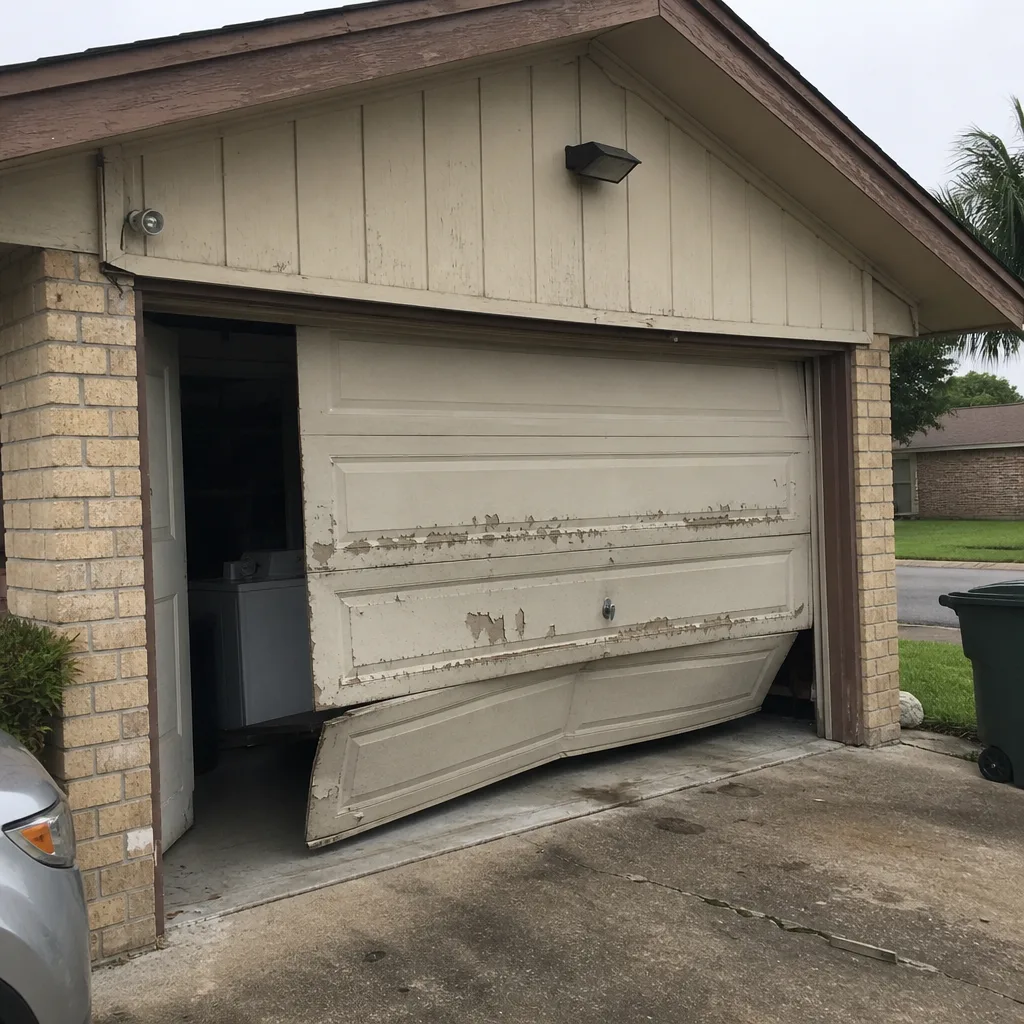 Before
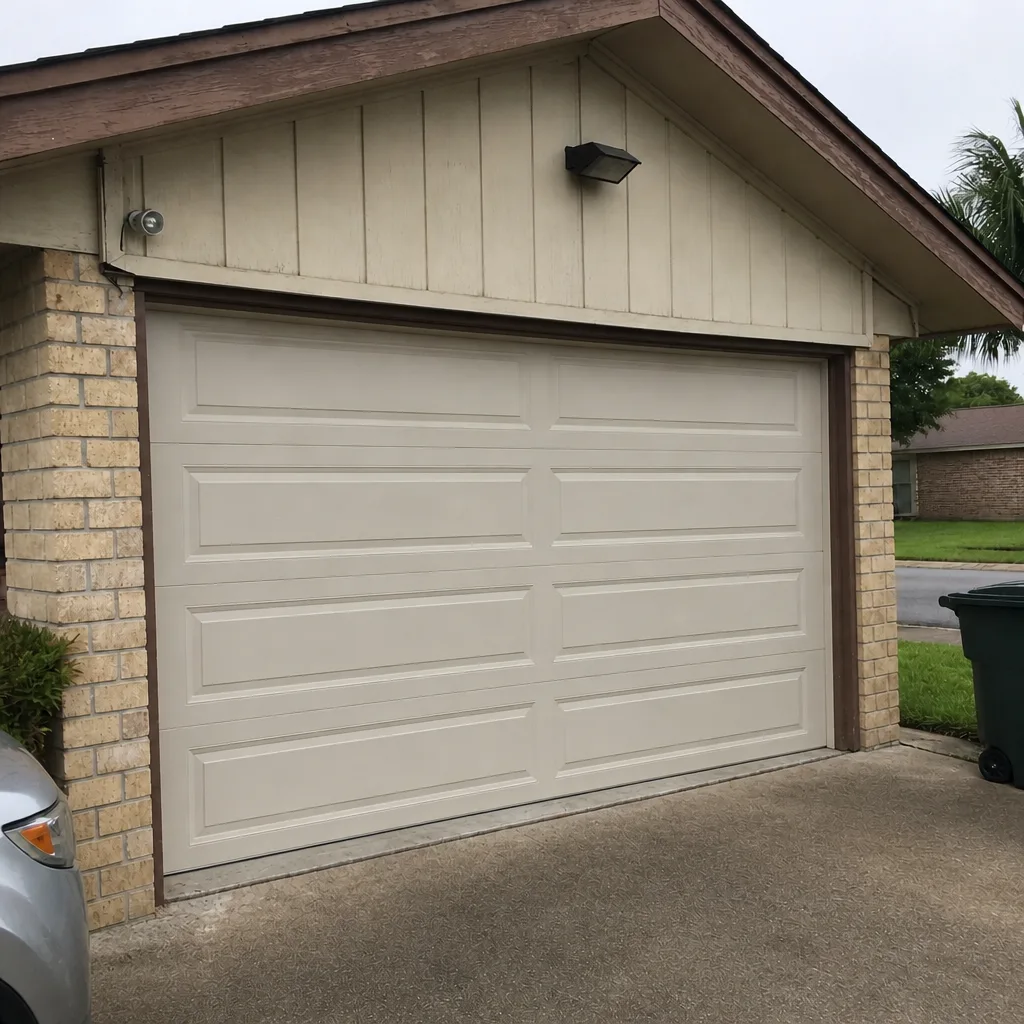 After
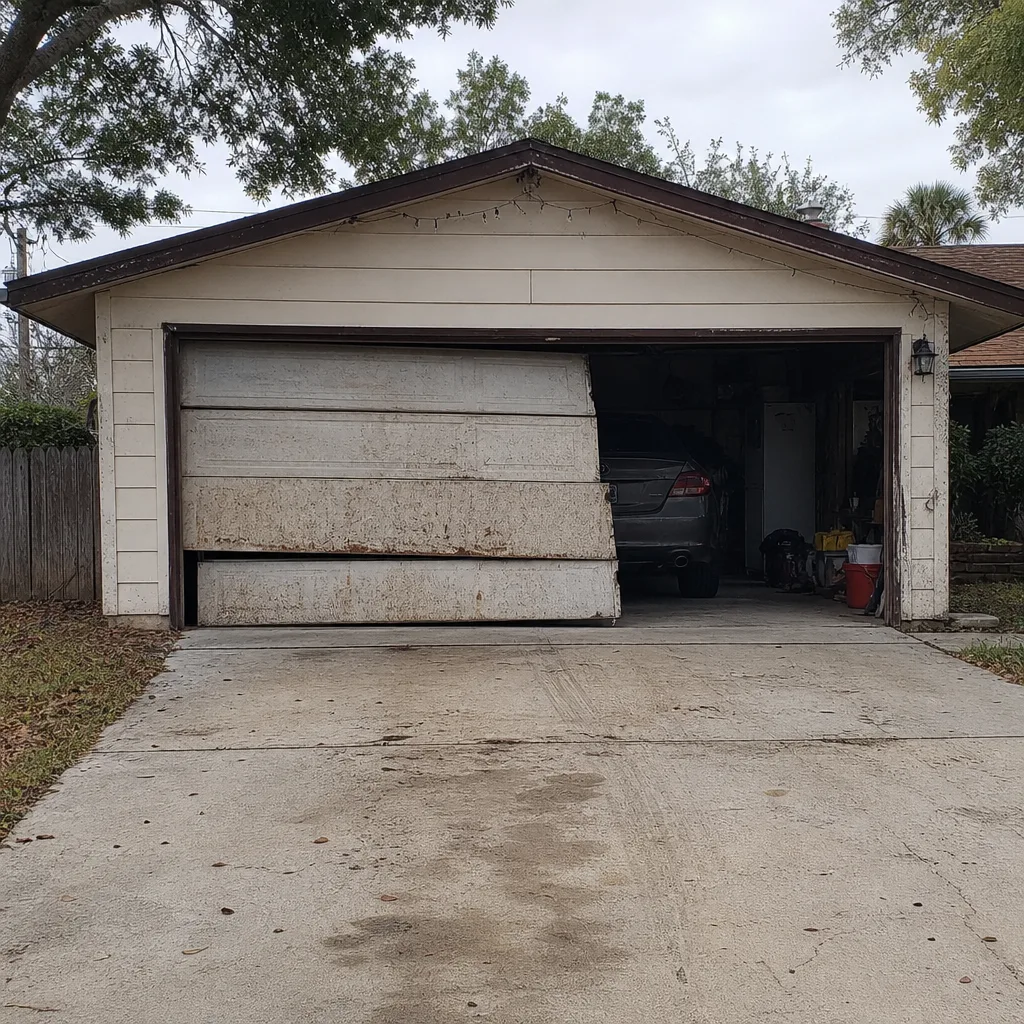 Before
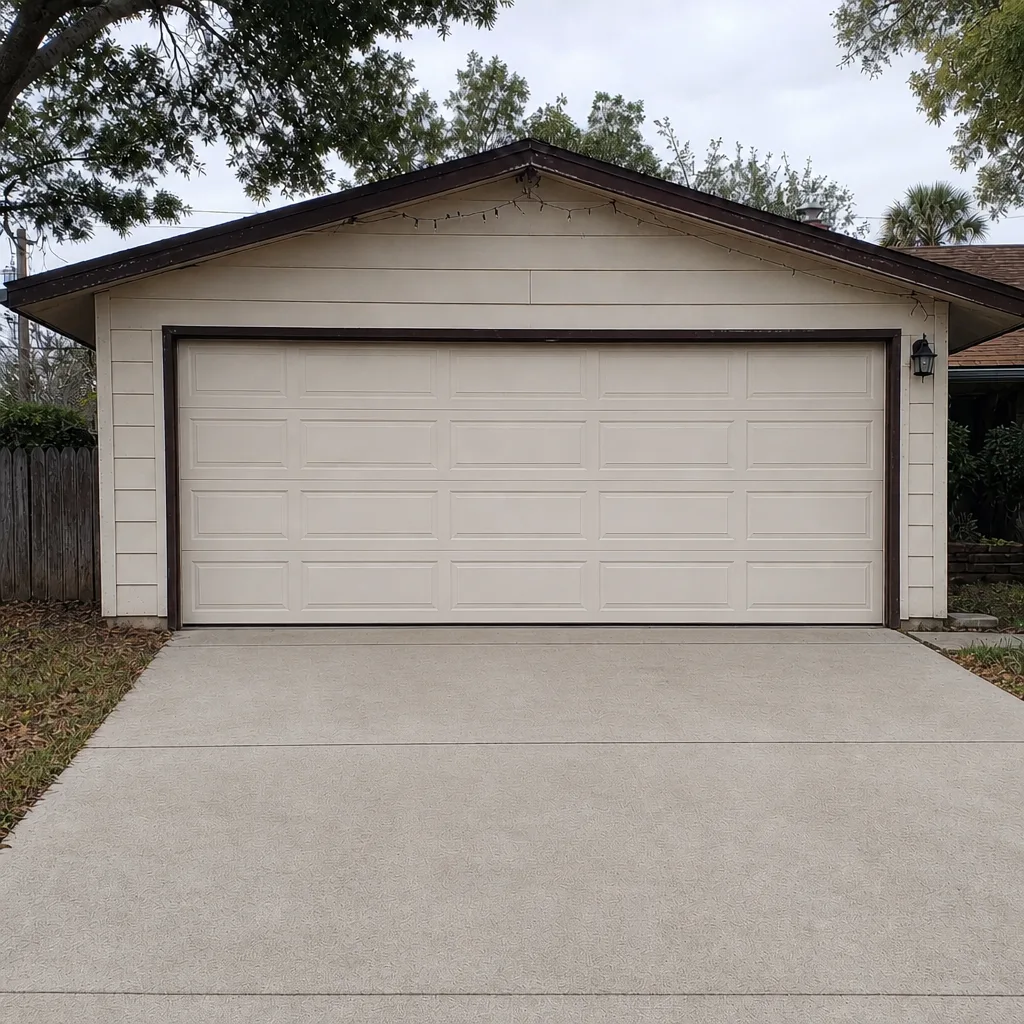 After
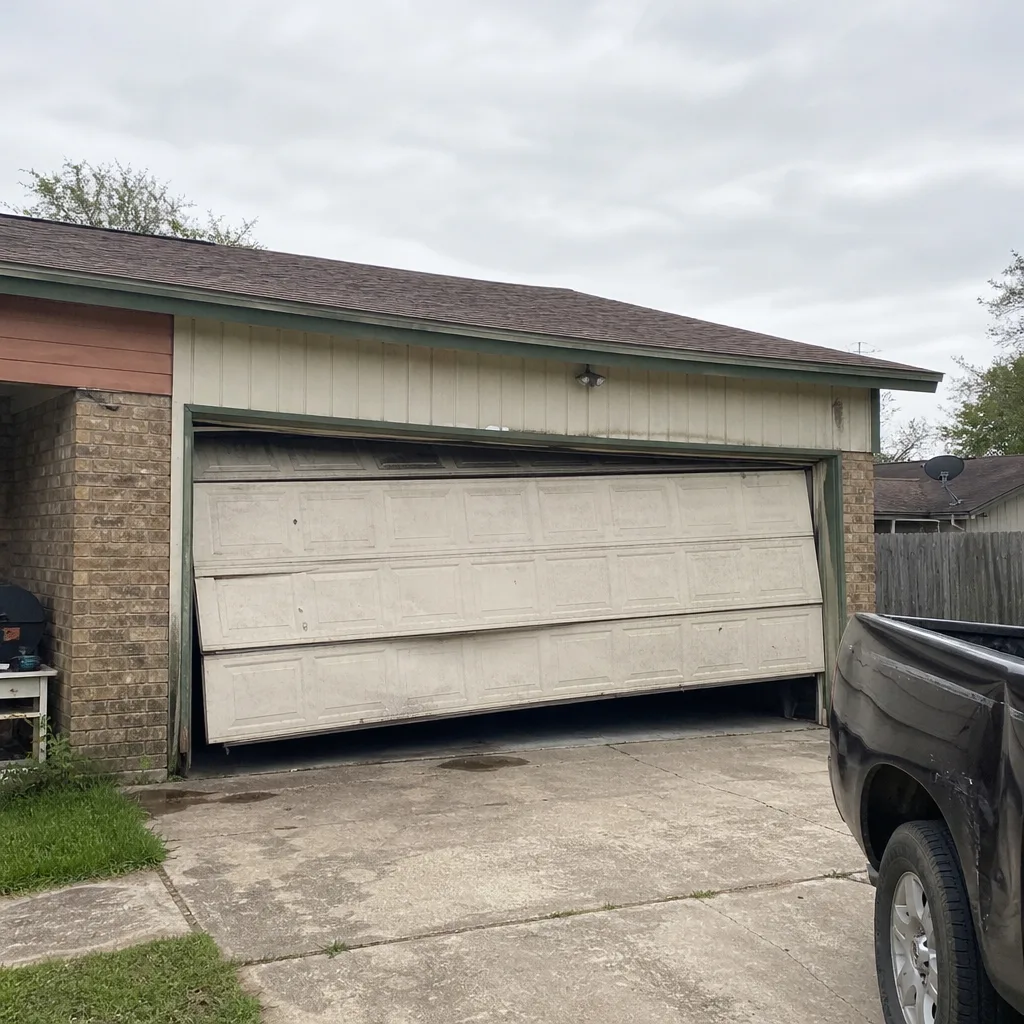 Before
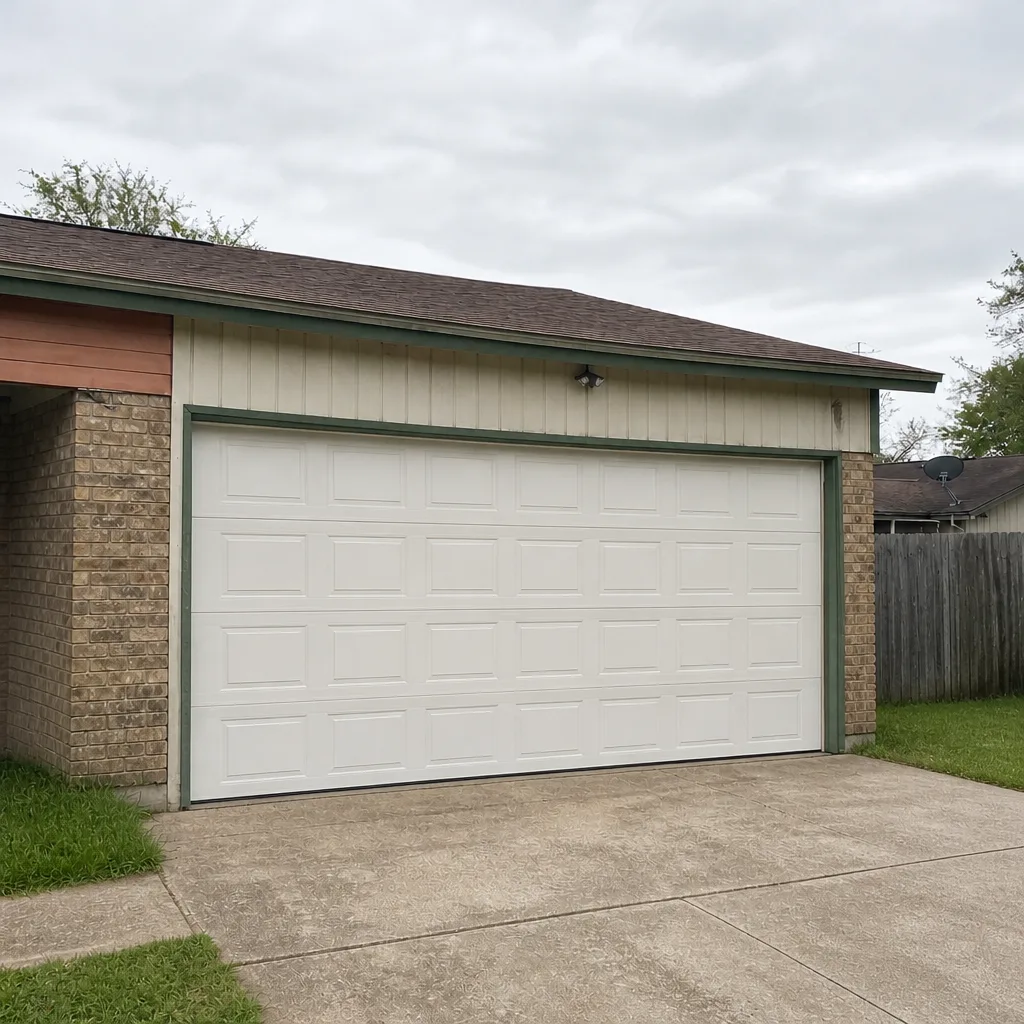 After
Frequently Asked Questions
The most common warning signs are a door that reverses before touching the floor, grinding or popping during travel, visible rust flaking on the torsion springs, and a door that fails the balance test by slamming shut or rising on its own. In Brownsville, the humidity makes the rust and spring-tension signs show up sooner than homeowners expect. If any two of these are present, call (855) 360-7115 for a free estimate.
A spring that’s about to break usually shows flaking rust on the coil, a visible gap or crack at one end, or a door that suddenly feels much heavier by hand. It may also have stopped holding the door at waist height on the balance test. If you can see any of these, stop cycling the door and book an inspection. Call (855) 360-7115.
Because the climate here is the variable. Humidity in the air settles on the metal hardware and stays there, which dries out the lubrication faster than a dry climate would. What sounds like a sudden new noise is usually the sound of a hinge, roller or spring that’s been losing lubrication for weeks. A Brownsville-based inspection is the fastest way to sort it out.
No. Do not touch the torsion spring. It’s under extreme tension and a wrong move can injure you seriously. You can lubricate the hinges and rollers safely with a garage-door-specific lubricant. Anything on the spring, cable or bracket is a trained-professional job.
Once a year is a good baseline, and a balance check once a season tells you if something has changed in between. In our experience, Brownsville doors in heavy daily use benefit from an annual hardware inspection because the humidity accelerates wear on the springs and hinges faster than the door’s age would suggest. Call (855) 360-7115 to book one.
Ignoring a warning sign doesn’t make it go away; it moves the failure from a small repair to a larger one. A grinding roller gets replaced. Left alone long enough, it wears the track, which bends, which shifts the door, which overloads the opener. By the last step, you’re replacing hardware the earlier fix would have protected. Call (855) 360-7115 for an exact quote – estimates are free.
The Bottom Line
The warning signs worth acting on are the ones that change, repeat and get louder. Balance, rust and noise are the three signals that tell you the most about a garage door’s health, and in Brownsville’s humidity they all show up a little sooner than the calendar suggests. Test the balance once a season, watch for flaking rust on the springs, and listen for sounds that weren’t there before. If any of the same-day symptoms show up (a snapped spring, a door off its track, an opener that smokes or trips the breaker), don’t cycle the door again. Call. The earlier you catch it, the smaller the repair.
Whether you need a routine balance check, a full Amberly Garage Door Repair visit, or a same-day call on a snapped spring, we work on your brand: LiftMaster, Chamberlain, Genie, Clopay, Amarr, Wayne Dalton, Craftsman and Raynor. Same system, diagnosed correctly. Your opener, your door, one call. Call (855) 360-7115 for a free estimate. We answer 24/7. Fast dispatch from 7am to 7pm, Sunday through Friday.
Written by the team at Amberly Garage Door Repair.