
Last updated November 14, 2026
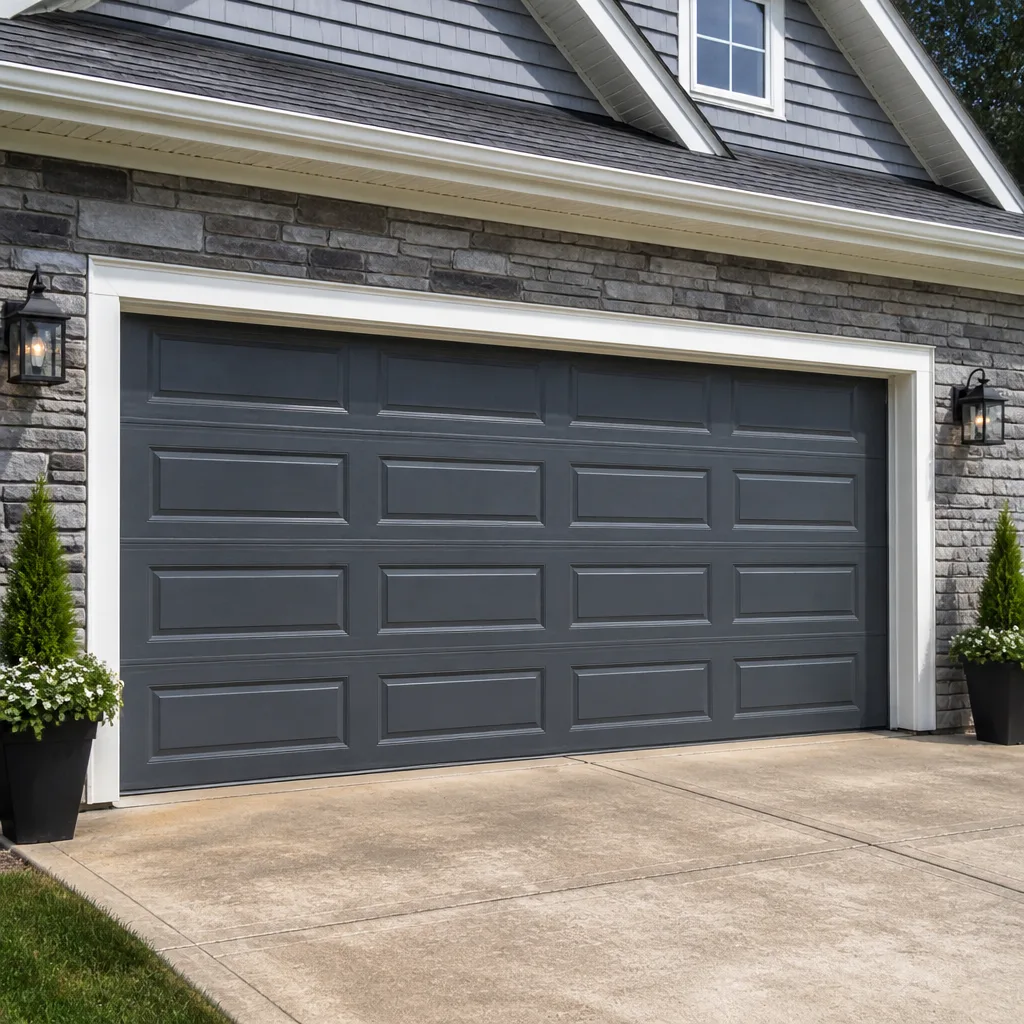 Raised-panel steel
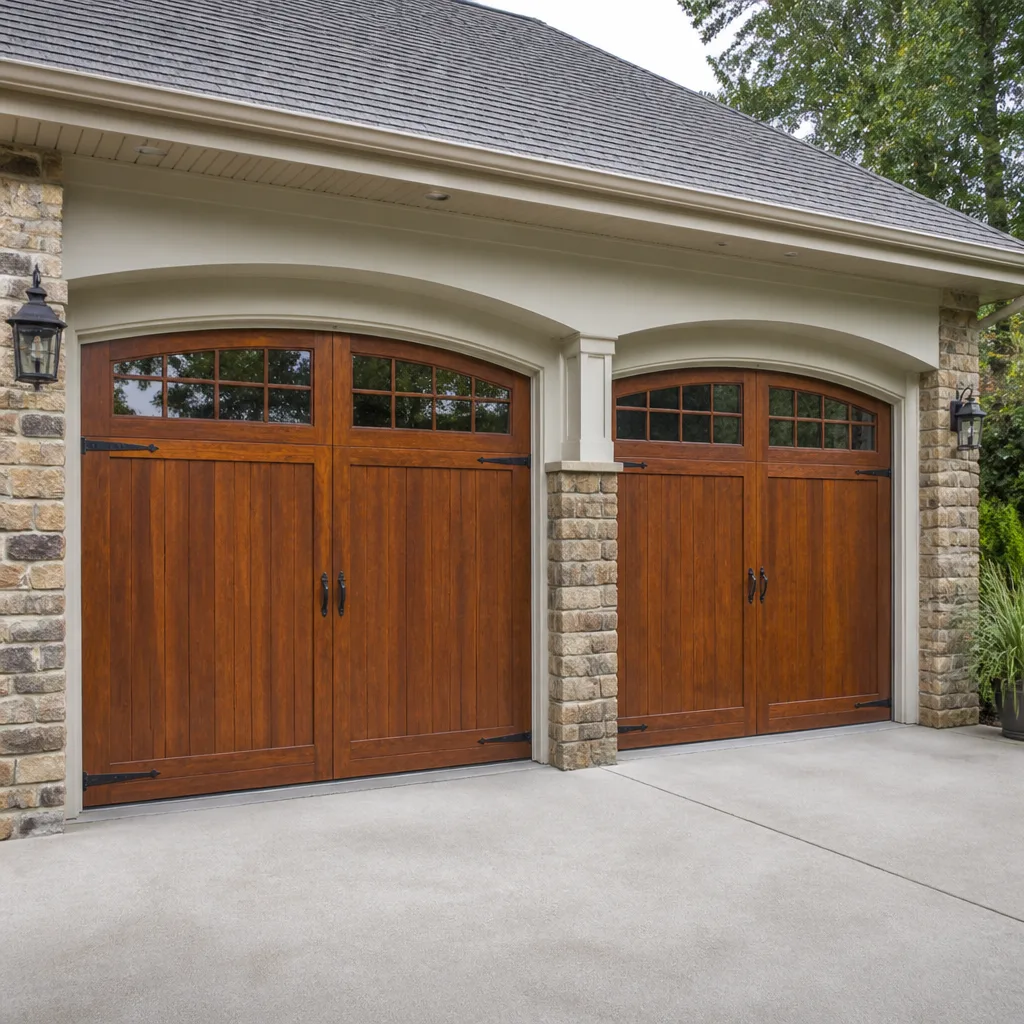 Carriage house
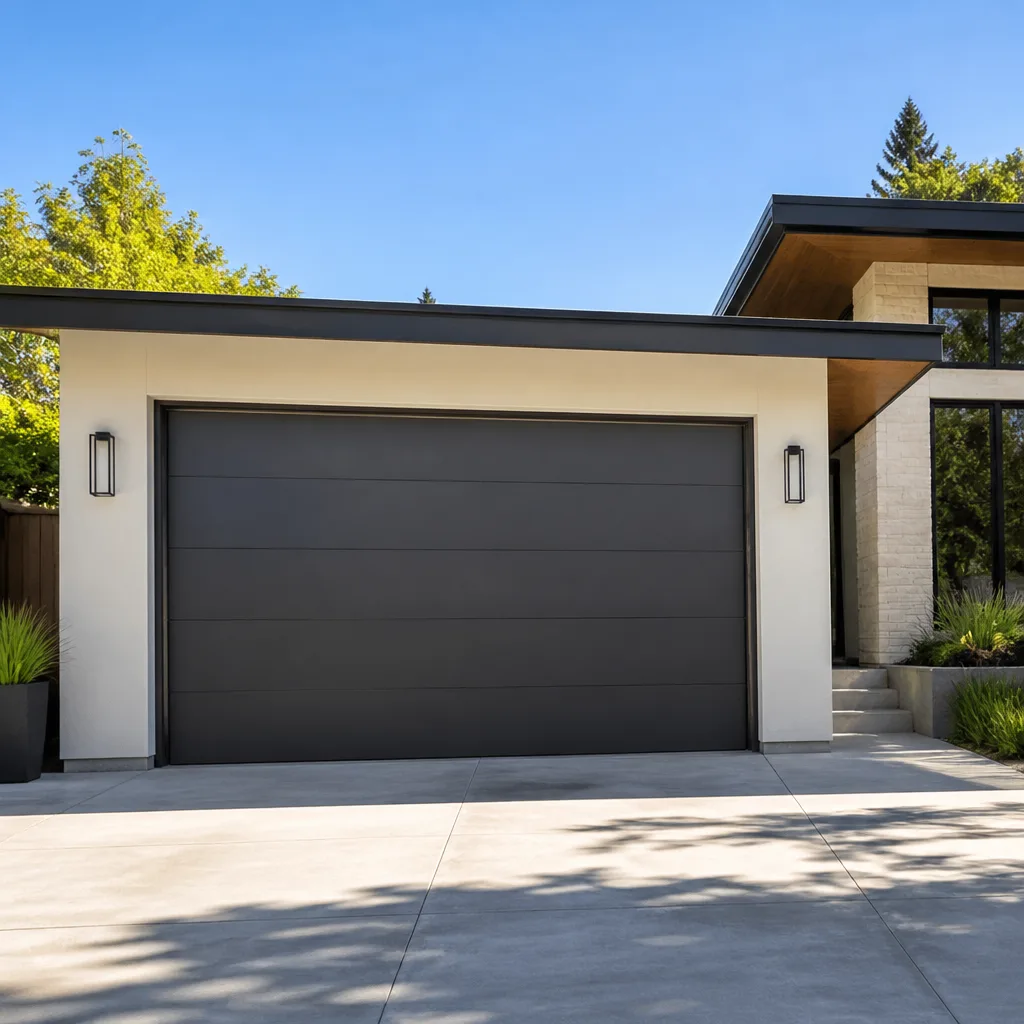 Modern flush
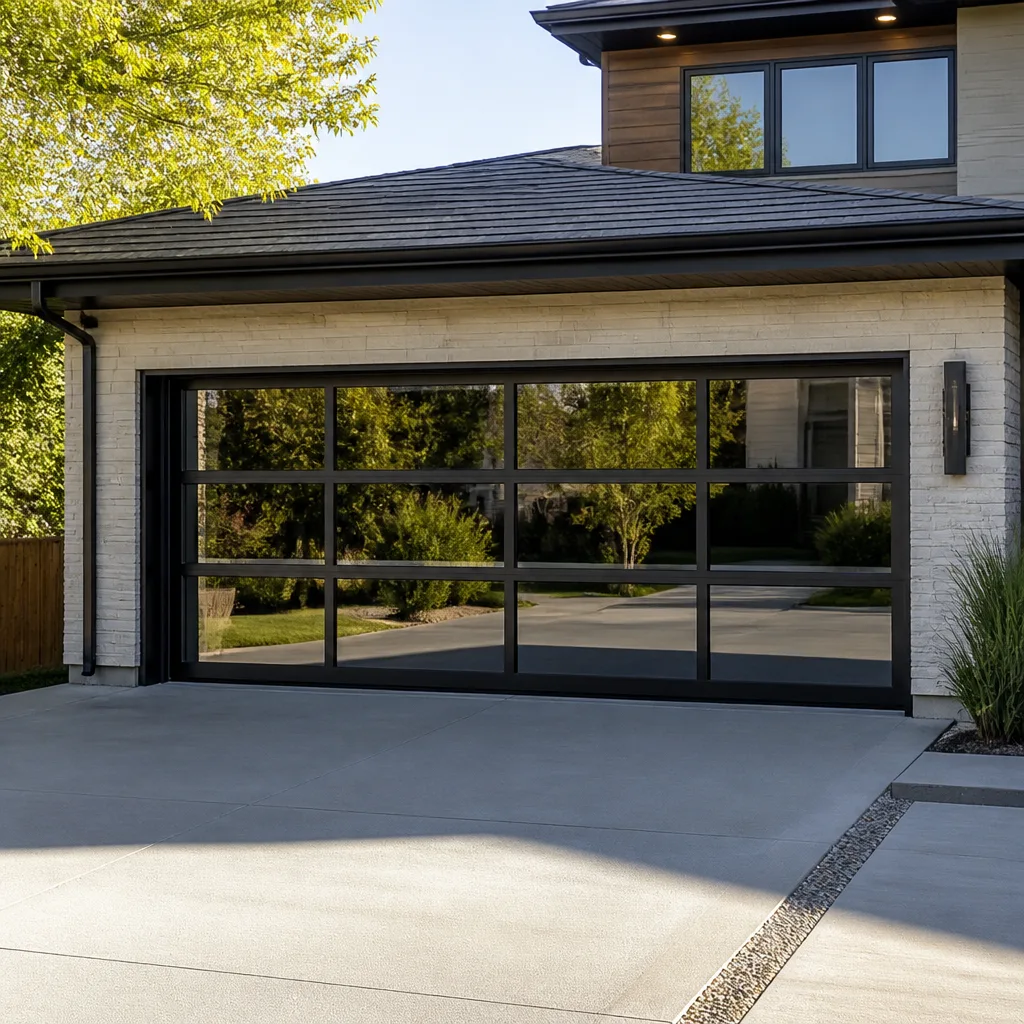 Full-view glass
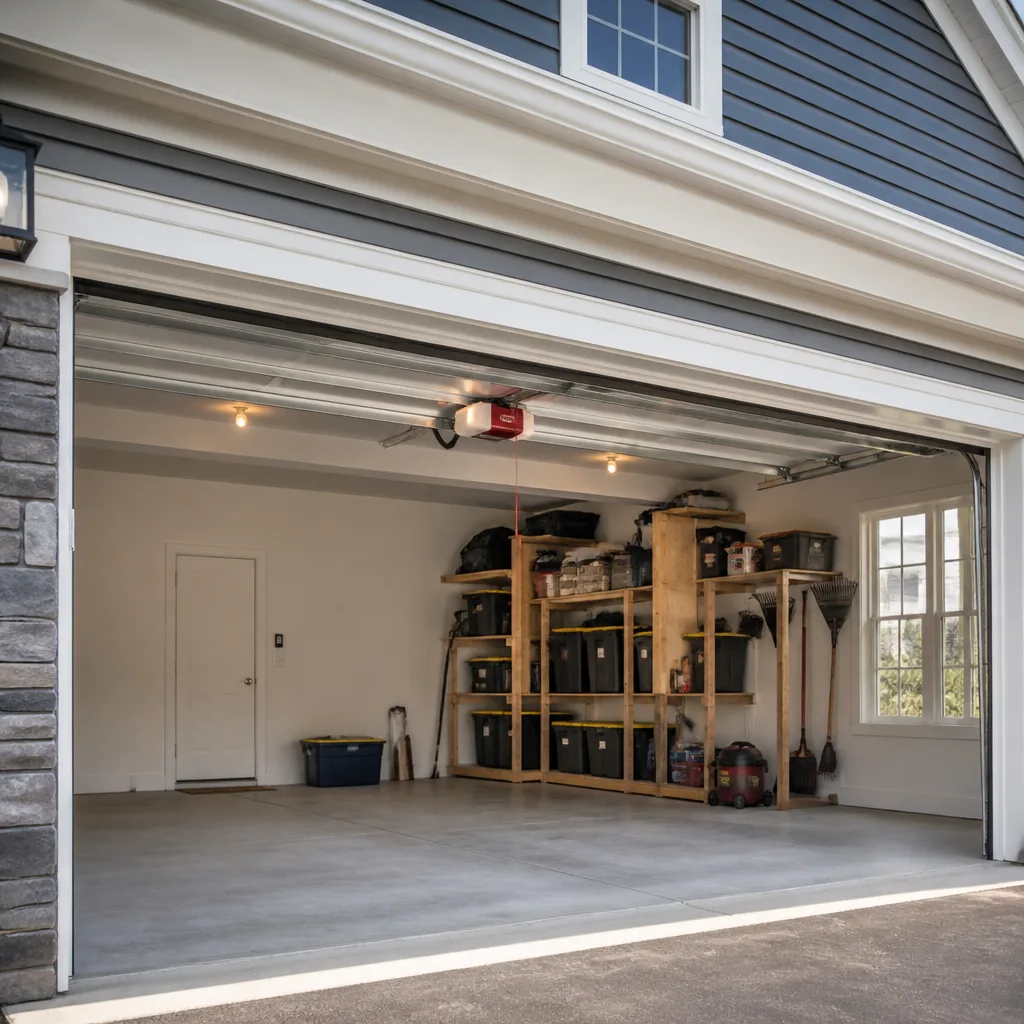 LiftMaster openers
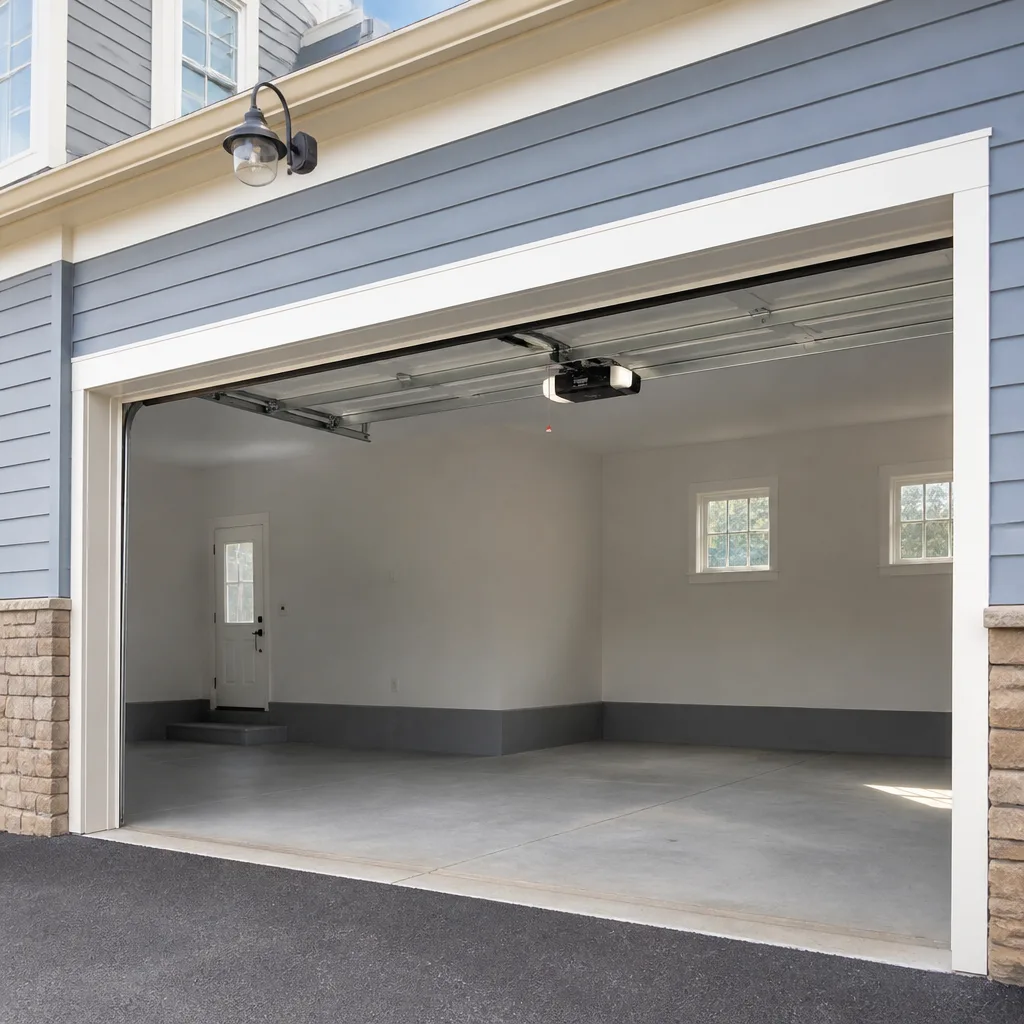 Chamberlain openers
Full 25-point door and opener safety check with every visit - springs, cables, rollers, tracks, and your LiftMaster or Chamberlain opener included
You get a price before we start. It does not change when the pro arrives.
Get your free estimateGarage Door Repair Troubleshooting in Brownsville: Common Problems and How to Fix Them
Your garage door isn’t “broken” – it’s telling you exactly what’s wrong. The problem is that most troubleshooting guides hand you a list of fixes without teaching you how to read the symptoms first. A door that reverses halfway up is a different animal from one that grinds but still opens, and the two demand completely different responses. Guess wrong and you waste a weekend; guess right and you know in thirty seconds whether you’re holding a wrench or a phone. This guide is built around a symptom-first map: group what your door is doing, trace it to one of five common root causes, and you’ll know whether it’s a small fix or a call-a-pro situation. We’ll also cover the Brownsville-specific factors that accelerate certain failures and the blink codes that tell you what a modern opener is thinking.
Quick Answer
Most garage door problems fall into five categories: the door won’t move at all, it moves only partially, it moves but makes unusual noise, it moves unevenly or off-track, or the opener runs without moving the door. Lubrication, sensor alignment, and remote or battery checks are safe homeowner tasks. Springs, cables, and anything involving the torsion assembly or electrical components require a trained technician. Knowing which symptom you have tells you which category you’re in before you touch anything.
Styles & brands we work with
- Raised-panel steel
- Carriage house
- Modern flush
- Full-view glass
- LiftMaster openers
- Chamberlain openers
Table of Contents
- The Five Root Causes Behind Almost Every Garage Door Problem
- The Door Won’t Move at All
- The Door Moves Partially Then Stops or Reverses
- The Door Moves But Makes Noise
- The Door Moves Unevenly or Comes Off Track
- Reading Blink Codes: What Your Opener Is Telling You
- Brownsville Heat and Humidity: How the Local Climate Ages a Garage Door
- The Manual Release Test Every Homeowner Should Do First
The Five Root Causes Behind Almost Every Garage Door Problem
Garage doors are surprisingly simple machines. A torsion or extension spring system counterbalances the door’s weight. Cables connect the door to that spring assembly. Tracks guide the door’s path. Rollers ride inside those tracks. And the opener supplies the force to move a door that should already feel nearly weightless. When something goes wrong, it’s almost always one of those five systems breaking down.
Here’s the mapping that saves you the most time:
- Won’t move at all → opener power, remote battery, safety sensor, or a broken spring.
- Moves partially, then reverses → sensor blockage, track obstruction, or binding rollers.
- Moves with grinding, squealing, or popping → dry rollers, worn hinges, or a bearing plate.
- Moves unevenly or off-track → bent track, damaged roller, or a stretched cable.
- Opener motor runs but door doesn’t move → broken spring, snapped cable, or the manual release has been pulled.
That last category is the one homeowners misdiagnose most often. If the motor runs but the door doesn’t, the opener isn’t the problem. It’s doing its job; the door just isn’t responding. Replacing a perfectly good opener won’t fix a broken spring. That distinction alone saves Brownsville homeowners from paying for the wrong repair, and it’s the kind of root-cause call our technicians make before touching a tool. If you’ve ever wondered why a generalist shows up and starts Googling your opener model, this is where brand familiarity matters: a LiftMaster or Chamberlain unit with smart-home integration behaves differently than an older Craftsman chain drive, and knowing the model changes the diagnostic path. Whether you need straightforward garage door repair or a deeper opener diagnosis, the symptom-first approach works the same way.
The Door Won’t Move at All
A completely dead door narrows your options fast. Nine times out of ten, it’s one of four things: the opener isn’t getting power, the remote or wall button isn’t sending a signal, the safety sensor is blocked or misaligned, or the spring has failed. You can check the first three in under five minutes and rule out a technician call in most cases.
Walk through this sequence in order:
- Check the power source. Look at the outlet the opener plugs into. Try a lamp or phone charger in the same outlet. If nothing works, check your panel – sometimes a breaker trips from a heat-related load in the summer.
- Test the wall button, not just the remote. If the wall console moves the door but the remote doesn’t, the remote needs a battery or the opener needs a re-sync. If neither moves it, keep going.
- Look at the safety sensors at the bottom of the tracks. Each should have a glowing LED. If one is dark or blinking, clean the lens and confirm they point directly at each other. A leaf blown in by a Gulf breeze can break the beam.
- Look at the spring above the door. If you have a torsion spring and it’s visibly separated, you’re done troubleshooting – that’s the cause.
If you’ve ruled out power, signal, and sensors, and the spring appears intact, the failure is likely inside the opener logic board or the door’s torsion assembly. Both need a trained eye. The realistic next step is to call a technician who can test the opener’s internal connections and the door’s mechanical tension without risk. Our technicians have up to 12 years of experience across the major opener platforms, so if the door is a Genie or a Chamberlain, the diagnosis won’t start from zero.
The Door Moves Partially Then Stops or Reverses
A door that starts to close and then reverses is almost never the opener’s fault. The safety system is doing exactly what it’s designed to do: detecting an obstruction. The question is whether the obstruction is real (something physically in the path) or phantom (a misaligned sensor, dirty lens, or a binding track telling the opener the door is heavier than it should be).
Start with the sensors. Both lenses at the base of the tracks should glow solid. If one blinks, wipe it clean with a dry cloth and verify the two sensors are aimed squarely at each other. If they’re mounted slightly off after a bump or a track shift, realign by hand. This is genuinely a homeowner fix and takes a minute.
If the sensors are clean and aligned and the door still reverses, walk the full track path with a flashlight. Look for a small object – a child’s toy, a pebble, a piece of mulch – lying inside the track. In Brownsville, windblown debris and the occasional lizard on the track are more common culprits than you’d expect.
If the tracks are clear and the door still reverses, check for binding. Disconnect the opener using the manual release (with the door fully closed) and lift the door by hand. It should feel light and smooth through its whole travel. If it binds, catches, or feels heavy, the problem is in the door’s mechanical system, not the safety sensors. Call a technician at that point. A door that binds puts strain on the opener motor on every cycle, and the eventual failure is more expensive than the original fix. That’s why we diagnose the door and the drive as an integrated unit rather than assuming the opener is the whole story.
The Door Moves But Makes Noise
Noise is the door’s most useful warning sign because it gives you time. Grinding, squealing, and popping almost always mean wear in the moving parts, and those parts are cheap to address before they fail. What you hear tells you what to check.
- Squealing or high-pitched squeak → dry rollers or hinges. Lubricate with a garage-door-specific silicone or lithium spray, not WD-40, which attracts dust.
- Grinding → worn rollers or a dry torsion bearing plate. The rollers you can lubricate; the bearing plate needs a technician because it’s inside the spring assembly.
- Popping or snapping → usually a loose torsion spring winding or a failing panel hinge. Both deserve an inspection.
- Rattling → loose bolts on the hinges or the track brackets. Tighten by hand; don’t overtighten.
Seasonal timing matters here. Brownsville’s summer heat softens lubricant faster than cooler climates, and a garage that gets full afternoon sun holds heat longer than the house itself. That’s why a lubrication routine that works in a mild climate needs to be done more often here. A quick spray on the rollers, hinges, and spring (the outside of the spring, never the inside coils) twice a year keeps a metal door quiet through the hottest stretch.
If noise stops after lubrication, you’ve solved it. If it comes back within a few weeks, that’s a sign of a part reaching end of life, not a lubrication gap. At that point, book an inspection. Keeping on top of small noises is the single best way to avoid an emergency repair later.
The Door Moves Unevenly or Comes Off Track
An uneven door – one that tilts as it rises, or where one side lags noticeably – is a safety concern, not just an annoyance. It means the two sides of the door aren’t sharing the load equally, which points to a cable, a roller, or a track issue. Stop running the door until you’ve identified which.
Here’s the inspection order:
- Look at both cables. They run from the bottom corners of the door up to the spring assembly. If one is visibly slack, frayed, or has jumped its drum, that’s your cause – and it’s a stop-using-the-door situation.
- Inspect the rollers. Each roller should sit snugly inside the track. A cracked roller or one that’s come out of the track lets that side of the door sag.
- Check the tracks for bends. Stand back and sight down each track. Any visible curve or kink is causing the door to bind.
- Check the door panels. A single bent panel creates misalignment that no amount of track adjustment will fix.
Uneven travel is the point where DIY stops being worth it. A misaligned door is heavy, unpredictable, and can fall suddenly if a cable lets go while it’s raised. That’s a two-person job with the door on the ground, proper winding bars, and an understanding of the torsion system. If you’re seeing uneven travel on your door, treat it as a technician visit and don’t force the opener to run it. Smart-home openers like LiftMaster’s myQ system will often log an obstruction event when a door stalls this way, but the log tells you it happened – not why. Getting the why right is what our team does.
Reading Blink Codes: What Your Opener Is Telling You
Most modern openers have a diagnostic LED on the motor head that flashes a repeating pattern when something’s wrong. Reading that pattern before you call anyone saves you a service visit and points the technician at the right subsystem from minute one. The exact patterns differ by brand, but the categories they fall into are consistent.
The general logic:
- One flash, pause, repeat → usually a safety sensor issue. Check the lens, the alignment, and the wiring at the sensor base.
- Two flashes → often a wiring fault or a wall-console problem. Look at the wires running along the ceiling for staples, pinches, or rodent damage.
- Three to five flashes → typically points to a travel-limit setting error, a force setting exceeded, or an obstruction event the opener remembers.
- Rapid continuous flashing → an internal fault or a lockout mode. Power-cycling the opener (unplug for thirty seconds, plug back in) sometimes clears it.
- No LED at all → the opener isn’t getting power, or the logic board has failed.
Now the brand-specific layer. LiftMaster and Chamberlain share the same underlying platform, so their codes read very similarly; both are widely installed in newer Brownsville homes because of the myQ app integration. Genie uses its own code structure and older Craftsman units can behave differently again. If you know the brand and model, note the code pattern before you call – it tells a technician exactly where to start. Our familiarity with all eight of the major opener and door brands – LiftMaster, Chamberlain, Genie, Clopay, Amarr, Wayne Dalton, Craftsman, and Raynor – means reading the code and knowing the fix are the same conversation. If you want a phone diagnosis of what a specific pattern means for your unit, garage door opener repair is the right starting point.
Brownsville Heat and Humidity: How the Local Climate Ages a Garage Door
A garage door in Brownsville faces a specific set of stresses that a door in a mild, dry climate never sees. Two of them matter more than anything else: sustained summer heat and Gulf humidity. Neither will damage a door overnight, but both steadily push certain components toward early failure, and knowing which ones are affected is the difference between a $30 adjustment and a $400 replacement.
Heat accelerates wear in a handful of predictable places:
- Springs. Torsion springs are heat-sensitive. A garage that absorbs full afternoon sun through the door face can hold interior temperatures much higher than the outside air, and repeated thermal cycling reduces spring life. This is why spring inspections matter more in Brownsville than in a moderate climate.
- Lubricant. Standard lubricant thins and runs off faster in high heat, leaving rollers and hinges dry months before the calendar says they need attention.
- Seals and weatherstripping. The rubber bottom seal hardens and cracks over successive summers, which lets heat and insects in.
- Paint and finish. Metal doors fade and eventually oxidize on the sun-facing side first.
Humidity adds its own layer. Moisture works into roller bearings, hinge pivots, and cable strands. Fraying on a cable often starts as an internal rust issue that shows up as a single broken strand at the surface. A cable rarely snaps without warning – inspection catches it – but a rusty one degrades faster than a dry-climate equivalent.
Practical response for a Brownsville homeowner: lubricate moving parts twice a year instead of once, inspect the bottom seal after each summer, and take a close look at both cables each spring. A five-minute visual check twice a year covers most of it. If your home sits near the resaca system or in a neighborhood that tends to hold humidity after rain, err on the side of inspecting more often. When we work on doors across Brownsville, the cables and bearing plates are usually the first parts we check because they’re where the local climate shows up first.
The Manual Release Test Every Homeowner Should Do First
Before you decide the opener is dead, you need to know whether the door itself is still working. The manual release cord lets you disconnect the door from the opener and test it by hand. If the door lifts smoothly, the opener is the problem. If it fights you, the opener is fine and the door isn’t. That single test separates two completely different repair paths and takes about a minute.
How it works, and what it tells you:
- Start with the door fully closed. The manual release is under tension if you pull it with the door open – a raised door has stored energy in the spring system, and releasing it that way can drop it fast.
- Pull the release cord straight down. You should hear a click as the trolley disconnects from the opener’s rail. The door is now in manual mode.
- Lift the door by hand, slowly, about a foot. If it rises with modest effort and stays where you leave it, the door’s spring system is doing its job.
- Lift to waist height and let go gently. A properly balanced door stays put or drifts slowly closed. A door that drops fast has a spring problem. A door that feels rock-heavy has a broken spring or a failing cable.
- Lower it fully before reconnecting. Pull the release again to re-engage the trolley, then run the opener to confirm.
What the test rules out: if the door was light and smooth by hand but the opener wouldn’t move it, the fault is in the opener or the sensor system. What it confirms: if the door was heavy or uneven, the problem is in the door’s mechanical system and the opener is at risk of burning out if you keep testing it.
What the test never tells you: why the spring failed, or whether the torsion assembly is safe to work on. It’s a diagnostic, not a repair. But it’s the single most useful thirty seconds a homeowner can spend before picking up the phone.
Common Mistakes to Avoid
- Replacing the opener when the spring is broken. If the motor runs but the door doesn’t lift, the opener is probably working. You’re replacing the wrong part and spending on the wrong repair.
- Using WD-40 on the tracks. It’s a solvent, not a lubricant. It dries out the moving parts and attracts grit. Use a silicone or lithium garage-door spray instead, especially in Brownsville’s heat.
- Adjusting the safety sensors without a level. Eyeballing the alignment isn’t enough – the two lenses have to point almost exactly at each other. A small bubble level makes the fix correct on the first try.
- Pulling the manual release with the door open. A raised door has potential energy stored in the springs. Releasing it that way can drop the door fast. Always release with the door fully closed.
- Forcing a bent track back into shape. A bent track is deformed metal; pliers usually make it worse and can pop a roller loose. Have it replaced.
- Ignoring a single broken cable strand. A cable rarely snaps without warning. One broken strand at the surface means the rest are under stress and the whole cable needs replacing – sooner, not later.
- Assuming the hottest part of the day is fine for spring work. Torsion springs under load in a garage that’s absorbed afternoon sun are dangerous. If you’re going to have a spring looked at, do it in the morning when the garage is cooler and the metal behaves predictably.
See the difference
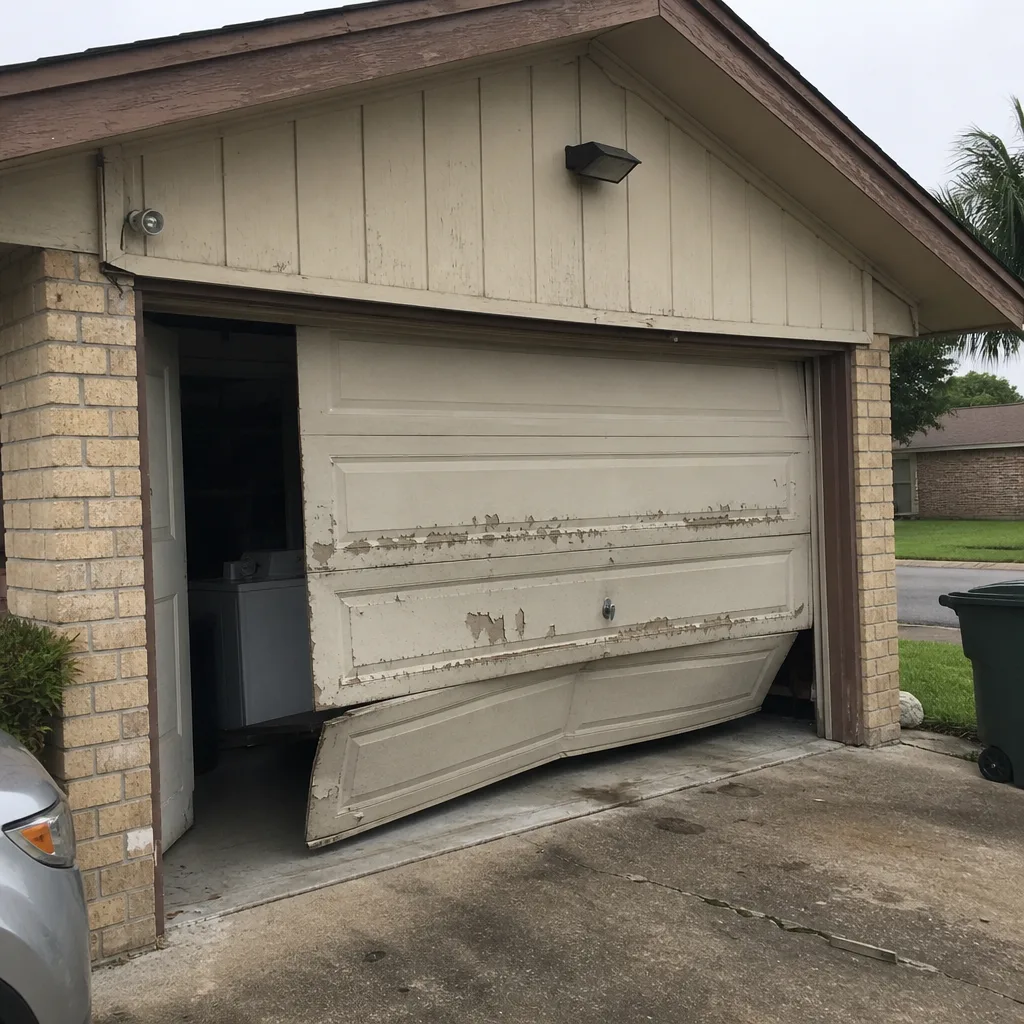 Before
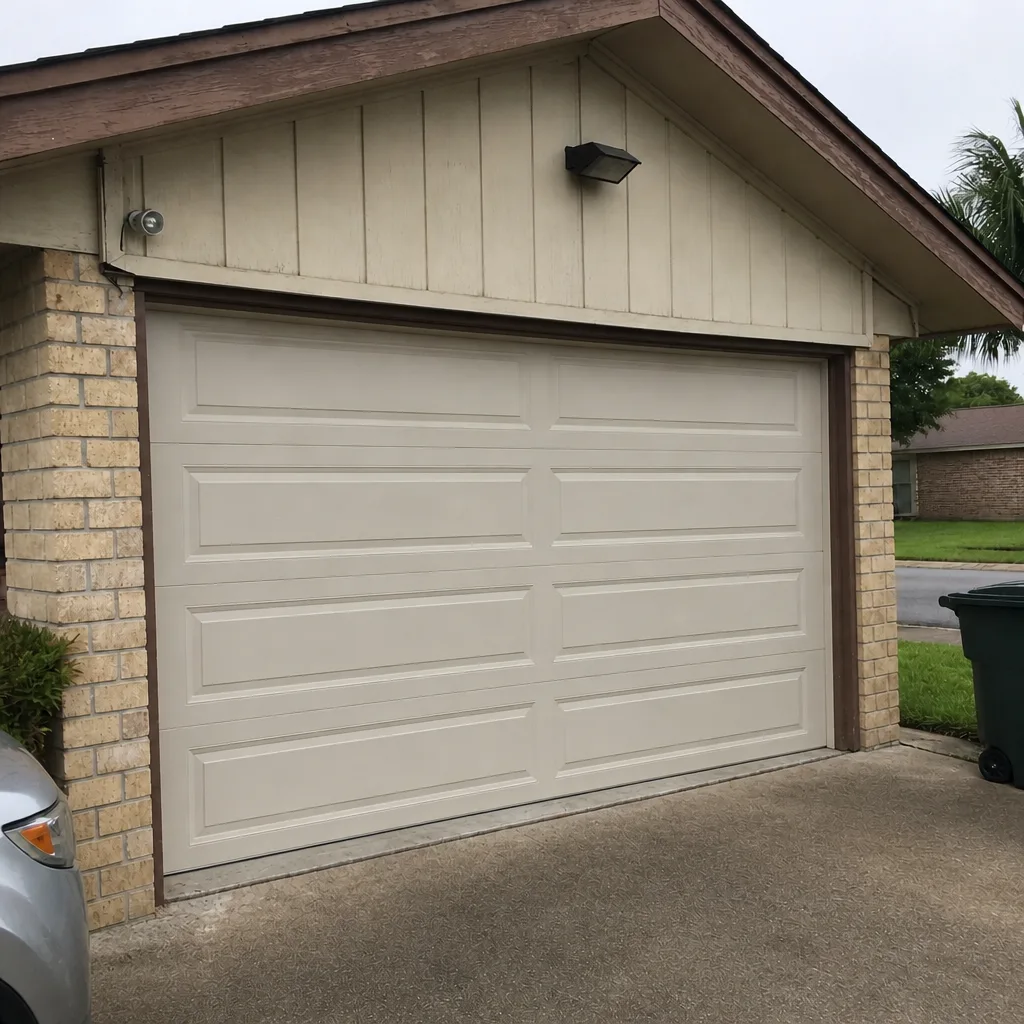 After
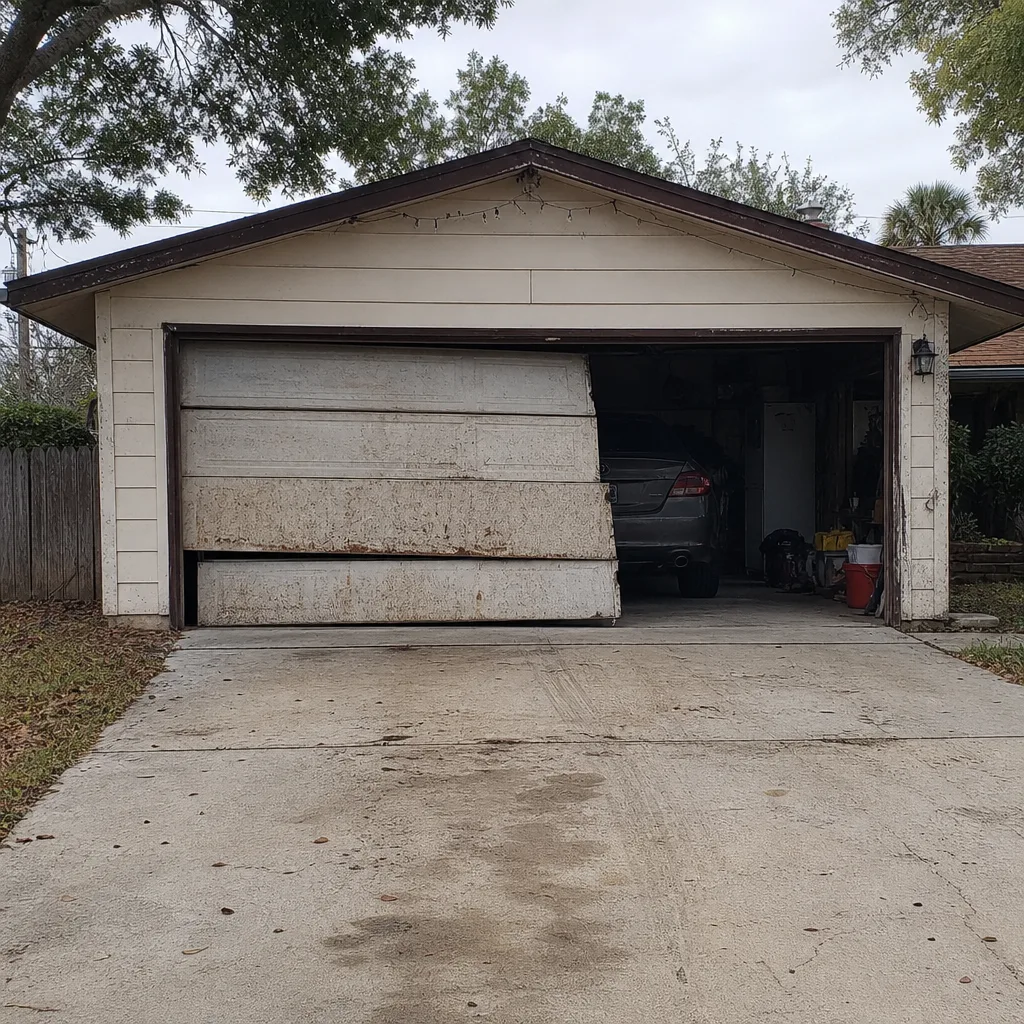 Before
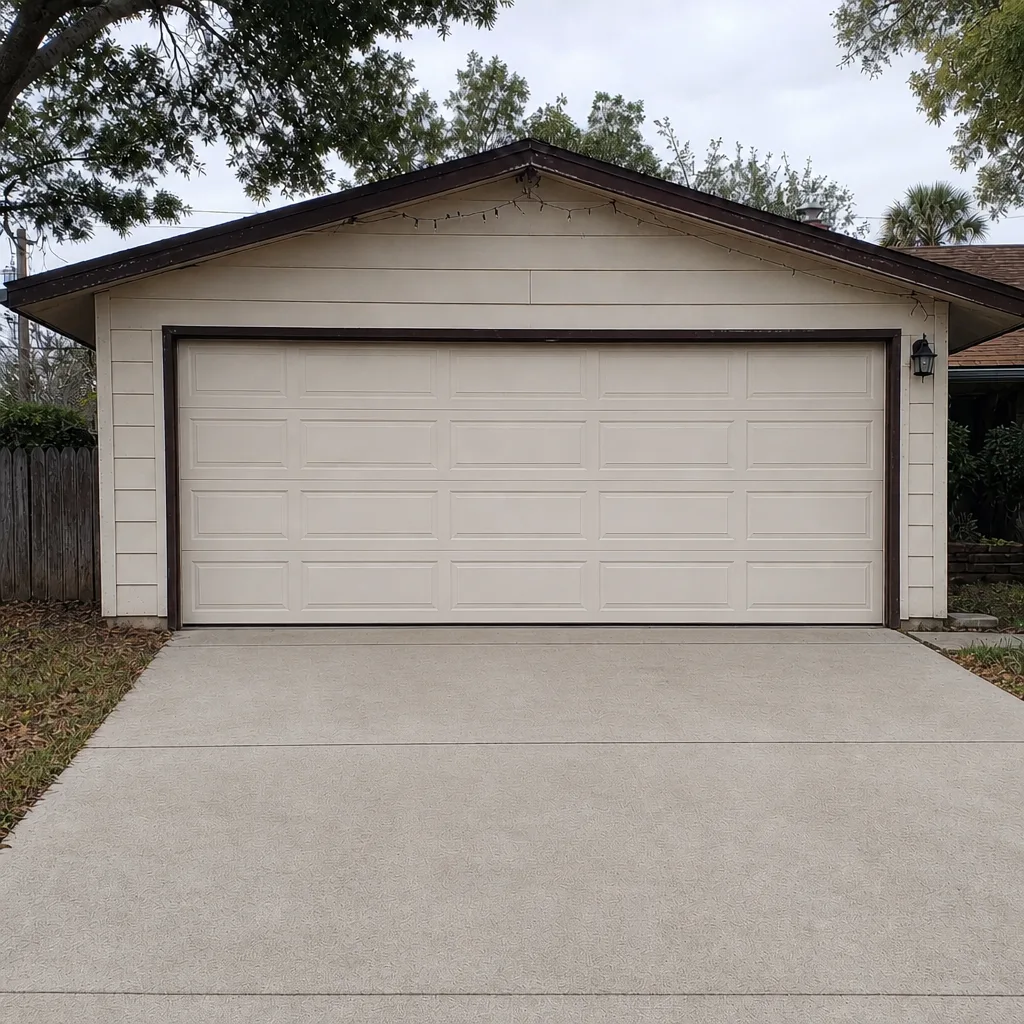 After
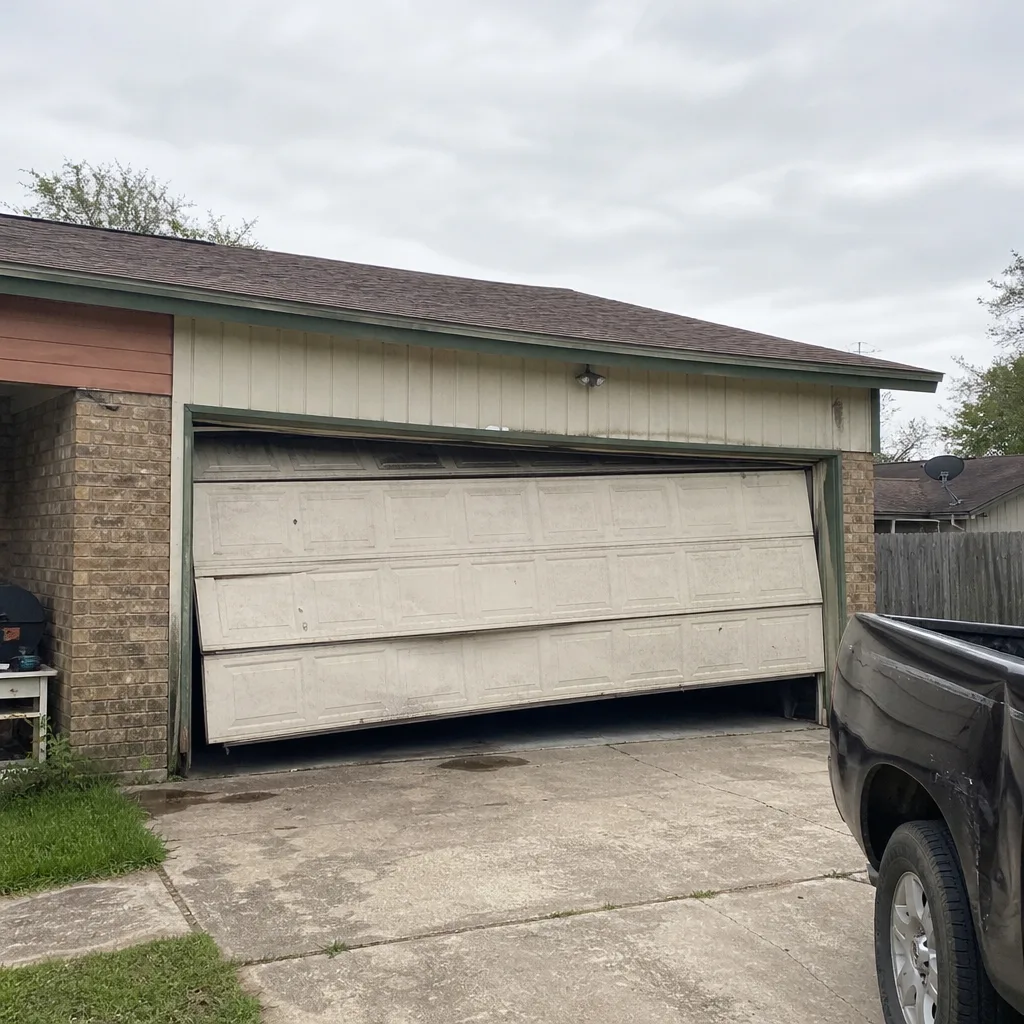 Before
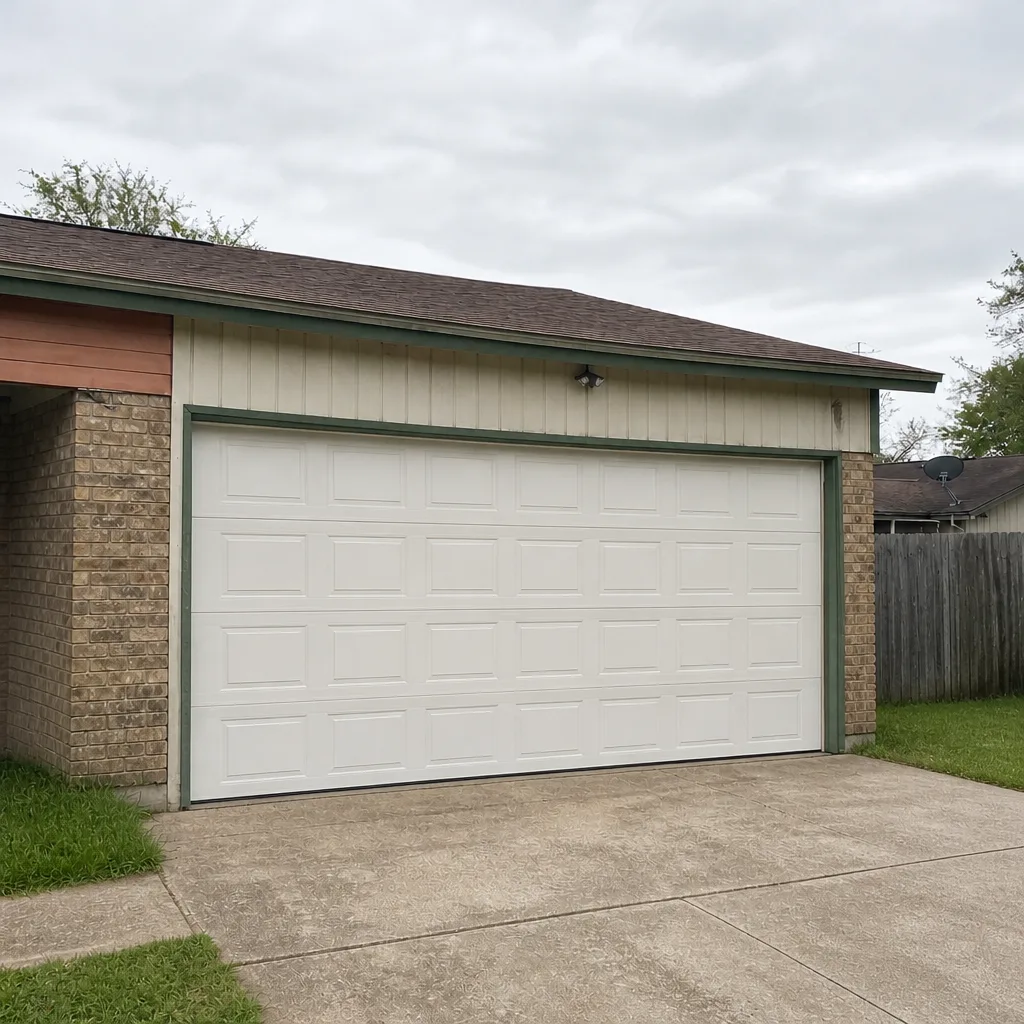 After
When to Call a Professional
Call a technician when the door’s weight or movement is involved and you can’t verify it’s safe by hand. Specifically: a broken or separated spring, a snapped or frayed cable, a door that travels unevenly, a door stuck open or off track, a track that’s visibly bent, or an opener that runs without moving the door after the manual release test. Also call if you’ve tried the sensor and lubrication fixes and the problem recurs within a few weeks – that’s a worn part, not a maintenance gap.
The parts you should never touch yourself are the torsion assembly (springs, cables, bearing plates) and the opener’s internal electrical components. We say that not as a liability position but because a wound torsion spring stores enough energy to cause serious injury if it releases unexpectedly, and cables under tension can whip. A trained technician brings the right tools, knows the door’s balance point, and can finish the job in one visit.
Amberly Garage Door Repair offers free estimates in Brownsville – call (855) 360-7115. We answer 24/7. Fast dispatch from 7am to 7pm, Sunday through Friday, closed Saturday. If you call outside those dispatch hours, we’ll book you into the next opening.
Frequently Asked Questions
Repair costs vary widely by the actual issue, and we can’t quote a range without seeing the door – which is why we always give a written estimate before any work starts. Small fixes like sensor alignment or hinge tightening typically sit at the low end, while spring or cable replacement is a different job. The written estimate is the price, and there’s no surprise on the invoice. Call (855) 360-7115 for a free estimate.
Often yes – a stuck-open or stuck-closed door is the kind of call we prioritize, and same-day service is available for most urgent situations. Call (855) 360-7115. We answer 24/7, and our fast dispatch runs from 7am to 7pm, Sunday through Friday. A call outside those hours gets booked into the next opening.
No. The written estimate you receive before any work begins is the price for that job. If we open the door up and discover something additional, we come back to you with an updated estimate and get your OK before we proceed. Nothing gets added to the bill without your agreement.
Yes. Our technicians are licensed, insured, and bonded, and they have up to 12 years of experience across the major opener and door brands. We work with LiftMaster, Chamberlain, Genie, Craftsman, Clopay, Amarr, Wayne Dalton, and Raynor systems, so there’s no unfamiliar brand showing up at the door.
Run the manual release test. With the door fully closed, pull the release cord and lift the door by hand. If it feels light and smooth, the springs are fine and the opener is the problem. If the door is heavy or drops fast when you let it go, the spring has failed. Don’t keep running the opener in that case – call a technician.
Yes, in specific ways. Sustained heat degrades lubricant faster, which leaves rollers and hinges dry between scheduled maintenance, and repeated thermal cycling shortens spring life. Cables are also affected by Gulf humidity, which accelerates corrosion inside the strands. Lubricating twice a year instead of once, and inspecting cables each spring, catches most of the issues before they turn into repairs.
The Bottom Line
Garage door problems aren’t random – they cluster into five root causes, and each one announces itself with a recognizable symptom. Point the symptom at the right category and you already know whether you’re dealing with a sensor that needs a wipe, a door that needs a technician, or an opener that needs a look at its blink code. Lubrication, sensor alignment, and remote batteries are yours to handle. Springs, cables, track replacement, and opener internals belong to a trained technician, not because of paperwork but because the physics makes the alternative dangerous. In Brownsville, add one local layer: summer heat and Gulf humidity accelerate spring wear, cable corrosion, and seal failure, so a twice-a-year maintenance habit goes further here than it does elsewhere. Book a free estimate or a repair when your symptom points you toward the second category.
If your diagnostic lands on “this is a call-a-pro situation,” we’re ready to help. Amberly Garage Door Repair works on your brand – your opener, your door, one call – and every job starts with a free written estimate, quoted and agreed before any work begins. Call (855) 360-7115. We answer 24/7. Fast dispatch from 7am to 7pm, Sunday through Friday, closed Saturday. Whether you need Amberly Garage Door Repair for a routine adjustment, a full garage door opener repair, or a garage door repair after a symptom you couldn’t quite place, we can get you a clear answer.
Written by the team at Amberly Garage Door Repair.