
Last updated November 14, 2026
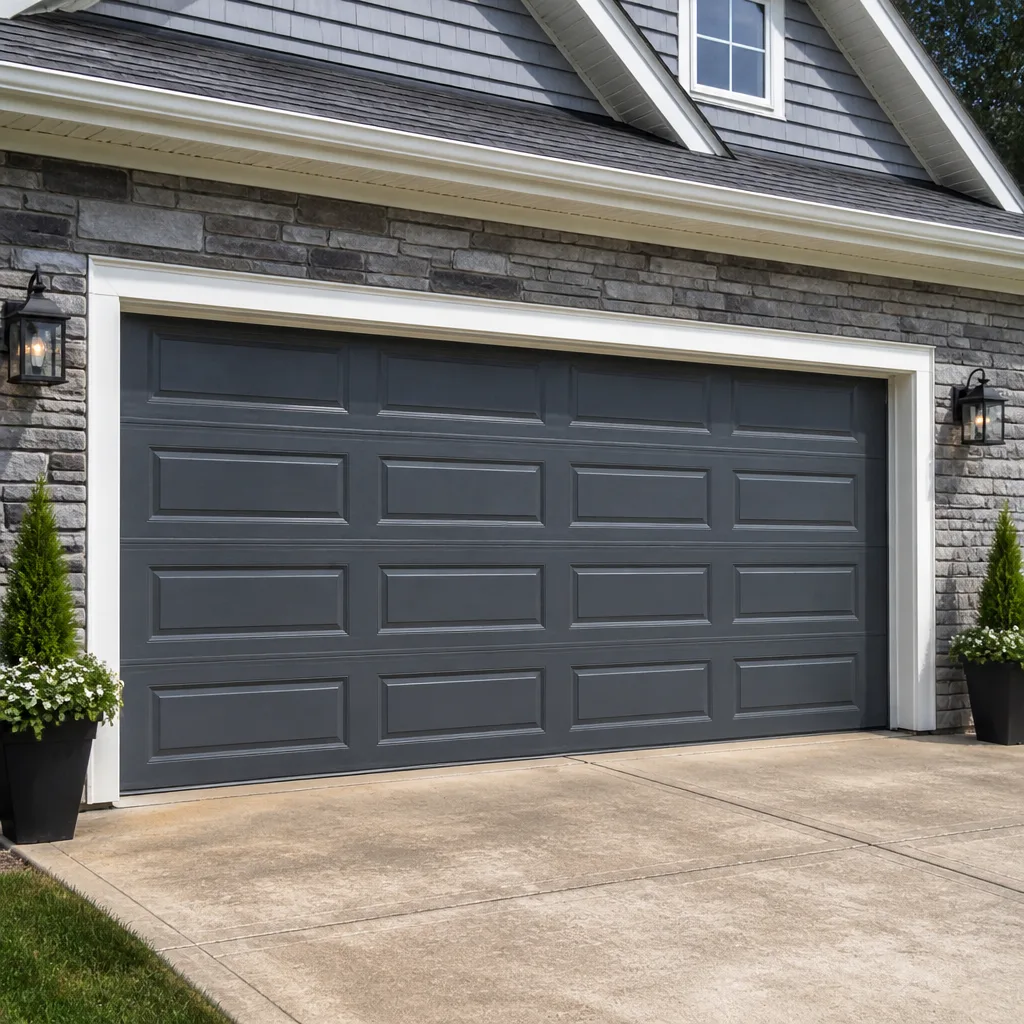 Raised-panel steel
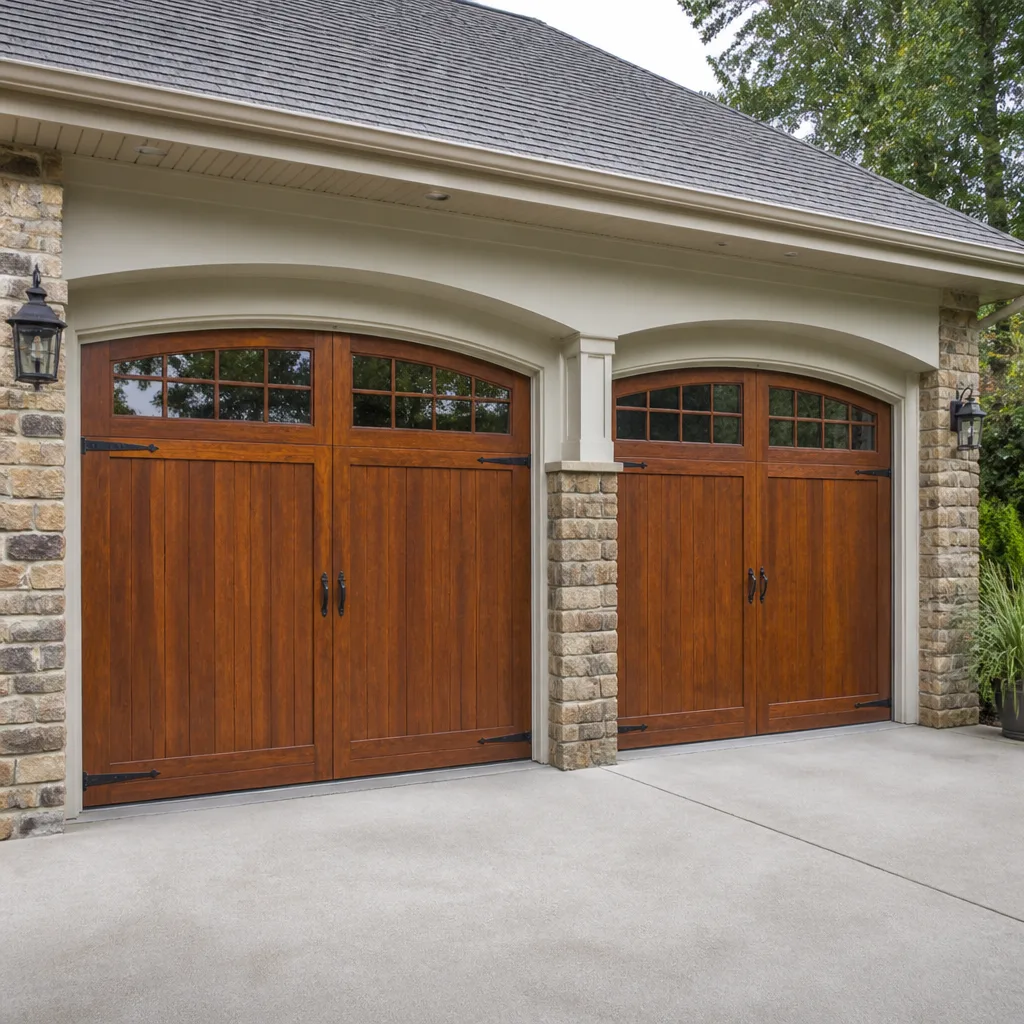 Carriage house
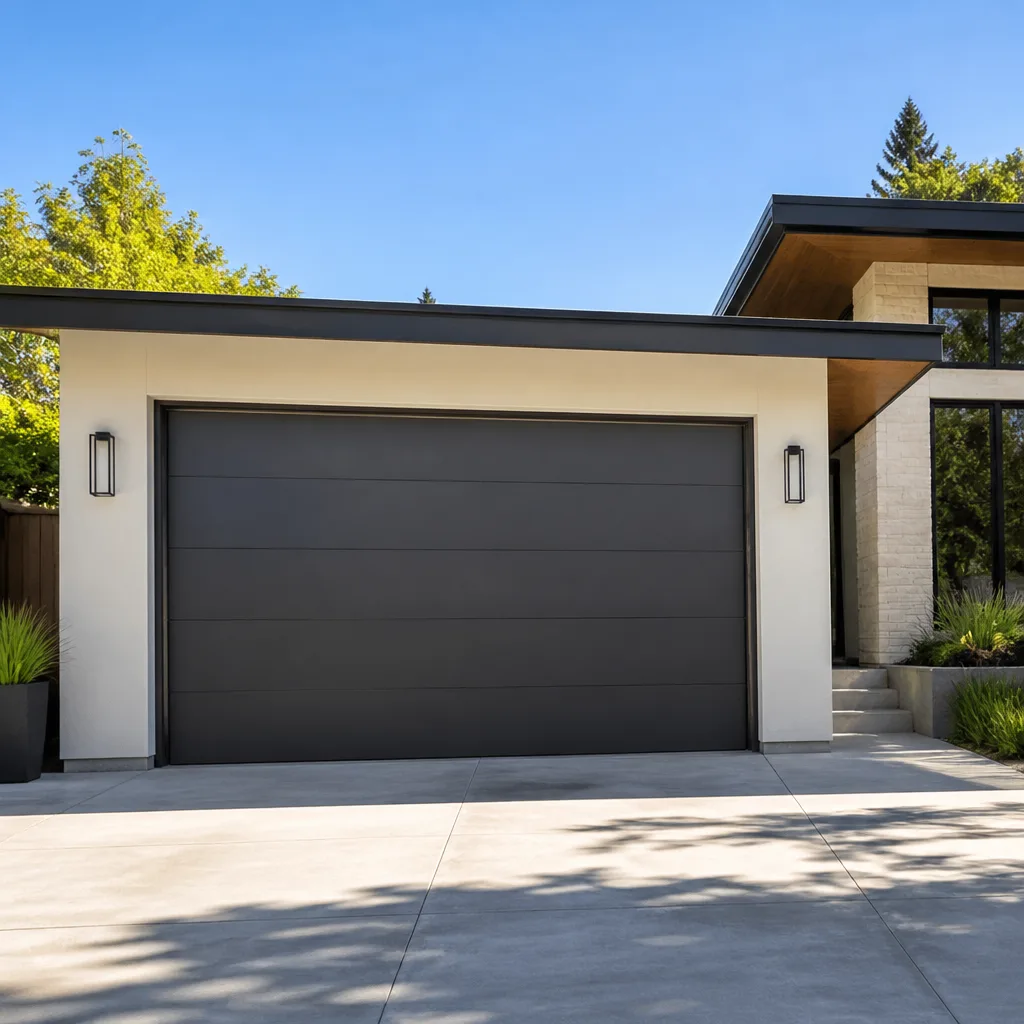 Modern flush
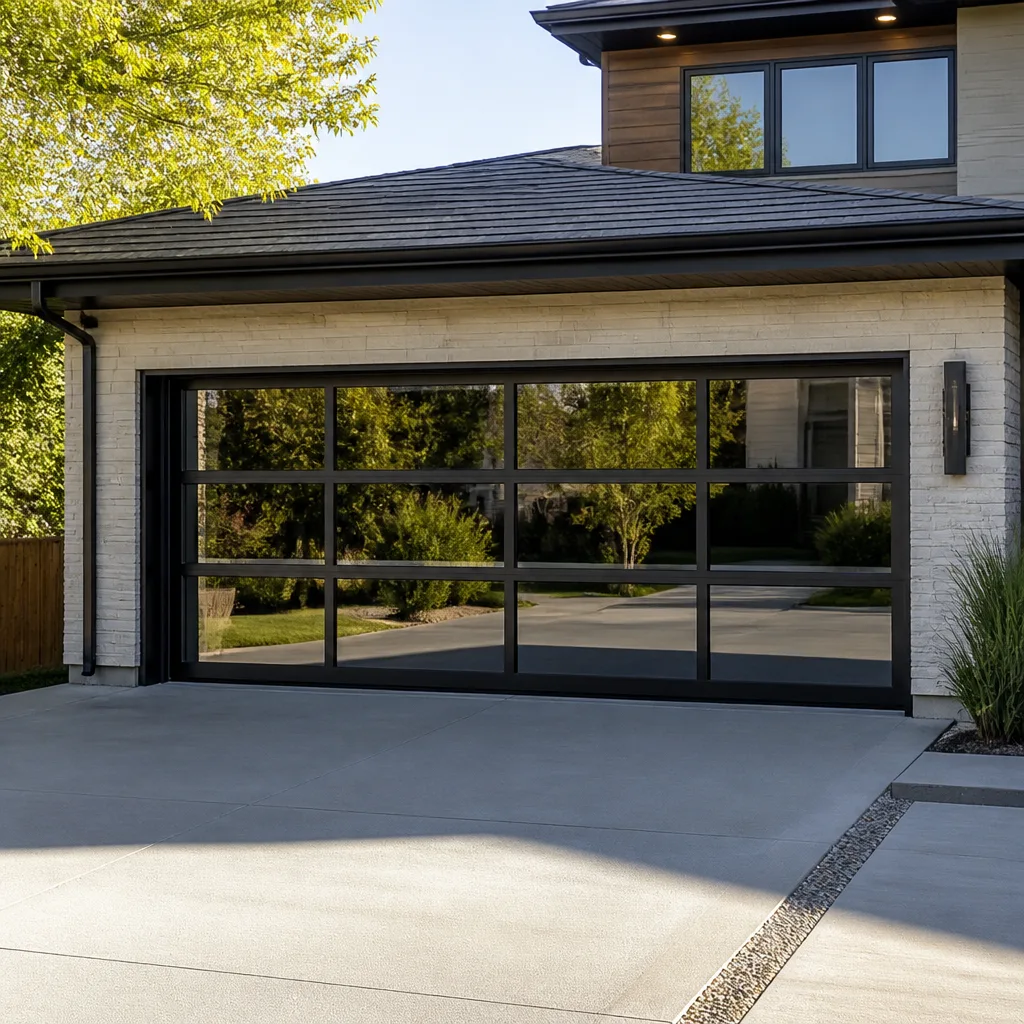 Full-view glass
 LiftMaster openers
 Chamberlain openers
Full 25-point door and opener safety check with every visit - springs, cables, rollers, tracks, and your LiftMaster or Chamberlain opener included
You get a price before we start. It does not change when the pro arrives.
Get your free estimateGarage Door Permits, Codes & Inspections in Brownsville, TX: What You Need to Know
Most Brownsville homeowners ask us about permits after the door is already hanging, not before. The common belief is that a garage door is like a mailbox: private property, your call, no paperwork. That holds for a spring swap or a new opener remote. It does not hold for a full door replacement, a structural modification to the opening, or anything that changes how the door behaves in high wind. This guide covers exactly where that line sits in Brownsville, what the Texas wind-load rules mean for door selection, what a city inspection actually looks at, and who carries the liability when a permit gets skipped. It’s the conversation we wish more homeowners had before they buy a door, not after.
Quick Answer
In Brownsville, a garage door replacement, an opener replacement that involves new wiring, or any structural change to the opening usually requires a building permit and a final inspection. Routine repairs (springs, cables, rollers, tracks, panels, remotes, opener motors on existing wiring) typically do not. Because Brownsville sits in a wind-borne debris region under Texas Department of Insurance wind-load provisions, a replacement door also has to be rated and anchored for the design wind speed that applies to your address, and that’s the part a permit inspection is really checking. When in doubt, call the City of Brownsville building department and ask; the answer costs nothing and protects you on resale.
Styles & brands we work with
- Raised-panel steel
- Carriage house
- Modern flush
- Full-view glass
- LiftMaster openers
- Chamberlain openers
Table of Contents
- When a garage door project needs a permit in Brownsville (and when it doesn’t)
- Texas wind-load requirements and what they mean for door selection
- What a City of Brownsville inspection actually checks
- How unpermitted work affects insurance claims and resale disclosure
- Who pulls the permit: the contractor or the homeowner?
- How to prepare so you pass the first time
- Where repair ends and permitted work begins
- What permits and inspections typically cost in Brownsville
When a garage door project needs a permit in Brownsville (and when it doesn’t)
Here’s the working rule we give homeowners: if you’re changing the door system’s structure, its wind rating, or the electrical circuit feeding it, assume a permit is required. If you’re restoring a component to how it was originally built and rated, you’re almost always in repair territory. That distinction matters in Brownsville because a lot of homes here have original doors from the 1970s through the 1990s, and swapping one of those for a modern impact-rated door is a real structural event even though it looks like a simple cosmetic upgrade.
Projects that usually require a permit
- Full door replacement with a door of a different make, model, or wind rating. This is the big one, and it’s what the inspection process exists for.
- Changing the door size or enlarging the opening. Any cut to the header, jamb, or framing is structural.
- Adding a new opener circuit, running new electrical to a detached garage, or adding a subpanel to feed the opener. Existing wiring with a like-for-like opener swap usually doesn’t trigger a permit, but confirm with the city.
- Reinforcing or replacing the header, or adding wind posts, struts, or bracing to bring an older door up to current wind requirements.
- Converting a garage to living space, which changes the door opening entirely and pulls in building, electrical, and possibly plumbing permits as a package.
Projects that usually don’t
- Spring, cable, roller, hinge, and bearing plate replacement.
- Track straightening or realignment of an existing door.
- Panel replacement on a door that stays the same model and rating.
- Opener motor replacement on existing wiring, or remote and keypad programming.
- Weather seal, bottom rubber, and threshold replacement.
None of this is a substitute for a phone call to the City of Brownsville building department, and neither is this guide. The permit office can tell you in two minutes whether your specific project needs a permit, and they won’t charge you for the answer. When we handle garage door repair in Brownsville, we tell homeowners to make that call before we schedule anything that touches structure or wiring.
Texas wind-load requirements and what they mean for door selection
Texas regulates how buildings resist wind through the windstorm provisions administered by the Texas Department of Insurance, and Brownsville’s location in the Lower Rio Grande Valley puts it firmly in a wind-borne debris region. The practical upshot is that a garage door in Brownsville is treated as a component of the building envelope, not as a decoration. It has to be rated for the design wind speed that applies to your site, and it has to be anchored so the rating is actually achieved in place. A door can carry a strong rating and still underperform if the anchor bolts, jamb attachment, or reinforcement are wrong.
Three things drive which door you actually need:
- Design wind speed at your address. This isn’t one number for the whole city. It depends on site exposure, terrain, and the building’s geometry, and the door supplier or your permit paperwork will want the designer’s number.
- Door area. Wind pressure scales with area. A single-car door and a double-car door of the same model carry different ratings, and one may pass where the other fails.
- Glazing. Windows in a garage door change the structural rating of the door. A model that’s rated solid may be rated differently with glass, and the rated configuration is the one that gets inspected.
This is where brand coverage actually matters rather than being a marketing line. When you buy an Amberly Garage Door Repair installation, we’re working with manufacturers like Clopay and Amarr, both of which publish wind-load ratings and reinforcement options for their product lines. That means selecting a door for Brownsville wind conditions is a matter of matching a rated product to your opening, not guessing. If you already have a door you like, we’ll look at what rating it carries and whether it can be brought up to spec with bracing rather than replaced outright.
What a City of Brownsville inspection actually checks
A garage door inspection is not a quality check on how well the installer did the job, even though a good installer passes easily and a careless one doesn’t. The inspector is confirming code compliance: the right door, installed to its listed configuration, anchored to the structure, with the safety devices present and functioning. If that sounds narrow, it is, and that’s actually good news. It means you can prepare for it.
Expect the inspector to check:
- Product listing and rating. The door as installed should match the model and configuration the permit was issued for, including any rated glazing, struts, or reinforcement.
- Anchoring and fasteners. Jamb attachment, anchor bolt spacing and type per the manufacturer’s published installation instructions. Undersized or missing anchors is a common fail.
- Header and framing. If the opening was modified, that the framing matches the approved plan.
- Spring and cable condition. That the counterbalance system is intact and shielded where required.
- Safety devices on the opener. Photo-eyes mounted correctly at the right height, with a reverse test on obstruction. Newer openers also need a force-setting check.
- Labeling. The wind-load label on the door or the documentation in the permit file, so the record closes cleanly.
A door with a mismatched label or an open permit that never gets a final inspection becomes a headache later, and a stuck permit is more annoying to clear than a fresh one is to obtain. If you’ve moved into a Brownsville house with an open garage door permit in the record, that’s worth clearing before you sell.
How unpermitted work affects insurance claims and resale disclosure
Two things happen when garage door work is done without a required permit, and neither shows up the day the work is finished. The first is on the insurance side. Texas homeowners policies generally provide coverage only where the dwelling complies with applicable building codes at the time of a claim. If a door was replaced without the permit that would have documented its wind rating, an adjuster can raise a coverage question after a wind event. The second is on resale. Texas property disclosure statements ask sellers about improvements, and a buyer’s inspector can spot an unpermitted door replacement (mismatched labels, missing rated anchoring, no inspection record) without much effort.
In practice, this is a two-part problem in Brownsville. The inspector who sees a newer door with no matching permit and no rated labeling will flag it. The buyer then negotiates against the cost of putting the paperwork right, and the seller is often the one paying for the door twice. It’s also worth noting that a wind-rated door doesn’t help on a claim unless there’s a record that it was the rated door installed to rating. The compliance record is the point.
We’ve seen this shake out the easiest when the permit gets pulled correctly the first time. When we quote an installation in Brownsville, we tell the homeowner up front what the permit process will involve and we work with the city on the paperwork. It’s not a dramatic value-add. It’s just the part a lot of installers skip.
Who pulls the permit: the contractor or the homeowner?
In Texas, the permit is applied for by the entity doing the work in most cases, which is the contractor. But the puller isn’t the responsible party. The permit and inspection record stays attached to the property, so the homeowner carries the long-term consequences even when the contractor filled out the application. That gap is where trouble lives, and it’s why we tell Brownsville homeowners to keep a copy of the closed permit and the final inspection in their property file.
The breakdown works like this:
- The contractor pulls the permit and coordinates the inspection. This is what you should expect and what we do. If an installer says “you’ll need to pull the permit,” that’s a red flag on a wind-rated replacement.
- The homeowner carries the property record. Once the permit is closed, the file belongs to the house. Ask for a copy, and keep it.
- The homeowner is the one on the hook if the work was done unpermitted. In a sale or a claim, the property owner is the party answering questions about the unpermitted work, not the installer.
- Liability insurance is separate from the permit. Confirm in writing that whoever does the work is insured and bonded before they start. A permit doesn’t substitute for liability coverage, and vice versa.
If a contractor tells you a Brownsville permit “isn’t needed” for a full door replacement, ask them to put that in writing next to the door’s wind rating. In our experience, that’s the end of the conversation.
How to prepare so you pass the first time
Most inspection fails we hear about are paperwork problems, not installation problems. The door was installed fine, but the door on site doesn’t match the approved submittal, or the label is gone, or the anchor schedule wasn’t followed. Preparing for inspection is largely about keeping the job consistent from the permit application to the final walk-through.
- Match the door exactly to the permit. If the approved door was a rated Clopay model with specific reinforcement, install that. Substituting a different door of similar appearance is the fastest way to fail.
- Keep the wind-load label and manufacturer’s installation instructions on site. Inspectors look for the label. The installation sheet is your proof the anchor pattern matches the rating.
- Photograph the anchoring and framing before the door goes up. On a wind-rated install, the parts the inspector needs to see are covered by finish work. Photos are the record.
- Test the opener safety devices yourself. An obstruction on the photo-eye path should reverse the door. If it doesn’t, the inspection fails on the spot.
- Have the permit number posted. The City of Brownsville will tell you the exact posting requirement when the permit is issued.
- Close the record. After the final inspection, ask for the sign-off documentation and put it with your home records.
The preparation step is one more reason to use a single company for repair, opener work, and installation. Hand-offs between trades are where submittals drift from what’s actually on site, and the inspector catches it, not the contractor.
Where repair ends and permitted work begins
Not every job on a garage door is a permit question, and we don’t want to scare anyone into thinking they need a permit to replace a snapped spring. Most of what we do in Brownsville doesn’t touch the building envelope or the electrical system, so most of it doesn’t need a permit. The tricky part is the middle of the road: jobs that feel like repairs but actually change the door’s rating or the structure.
Here’s how we sort them when we’re on site:
- Pure repair. Spring, cable, roller, hinge, bearing plate, bottom rubber. No permit.
- Likely repair, confirm with the city. Opener motor replacement on existing wiring, single-panel replacement that matches the original model, track straightening on the existing door.
- Permitted work. Full door replacement, size change, new electrical circuit, structural header work, reinforcement added to hit a wind rating that the door doesn’t already carry, garage-to-living-space conversion.
An opener replacement is the one that trips people up most often. Swapping a failed Genie or Craftsman motor for a like-for-like unit on the existing circuit is usually repair. Running new electrical, moving the opener to a new position, or upgrading to a Wi-Fi opener that requires a new circuit is likely permitted electrical work. If you’re also upgrading to something like a Chamberlain or LiftMaster smart opener, it’s worth asking the question before we order the unit. If you’re not sure, our garage door opener repair team will tell you which side of the line your project sits on.
What permits and inspections typically cost in Brownsville
We don’t quote permit fees as if they were our own price, because they’re not. The City of Brownsville sets permit fees, and they change. What we can do is tell you what categories you’re paying for, and where a budget needs to be realistic. Remember that any number below is an estimate and the written quote sets the final price on our side of the work.
- Building permit application fee: set by the city and usually based on the valuation of the work. A full door replacement is a small valuation compared with an addition, so the fee is modest. Ask the permit office for the current schedule.
- Inspection fee: often bundled into the permit fee. Sometimes there’s a re-inspection charge if the first attempt fails, which is one more reason to prepare.
- Door and installation: this is the actual project cost, and it depends on the door, the rated configuration, and the opening. We quote it per job, in writing, before work starts.
- Reinforcement if your existing door needs bracing: a separate line item if the door isn’t rated as-is. Ask the installer to break this out.
- Electrical permit if a new opener circuit is involved: separately permitted from the building permit, and quoted separately.
The estimate we give you is free, and the price is agreed before any work starts. We quote the door, the labor, and the reinforcement individually so you can see where the permit costs land on the invoice. We don’t pad the quote for a permit that isn’t needed, and we don’t skip one that is.
Common Mistakes to Avoid
- Assuming a full door replacement is the same category as a spring swap. Replacement is a structural and wind-rating change. It needs a permit in Brownsville in nearly every case, and treating it like a repair is how people end up with an open permit on their record at resale.
- Buying an unrated door from out of town. The rating that matters is the one for the design wind speed at your address, not the one that looks good in a showroom photo. A door that passes in another part of Texas won’t necessarily pass here.
- Substituting a similar-looking door for the one on the permit. Inspectors check labels and listings, not curb appeal. The door on site has to match the submittal.
- Skipping the final inspection. An open permit is a stain on the property record, and it comes back up in a sale. Close the file even if the door looks fine.
- Accepting “you don’t need a permit” without a written wind rating. If someone is willing to install a door without a permit in Brownsville, ask them to document why. Most won’t.
- Hiring an uninsured installer to save cost. The permit and the insurance are separate protections. Skipping either one moves the liability onto you, and the savings usually aren’t what they look like once you price the risk.
- Losing the paperwork. Keep the closed permit and the final inspection with your home records. It’s the cheapest insurance you’ll ever buy on a Brownsville garage door.
See the difference
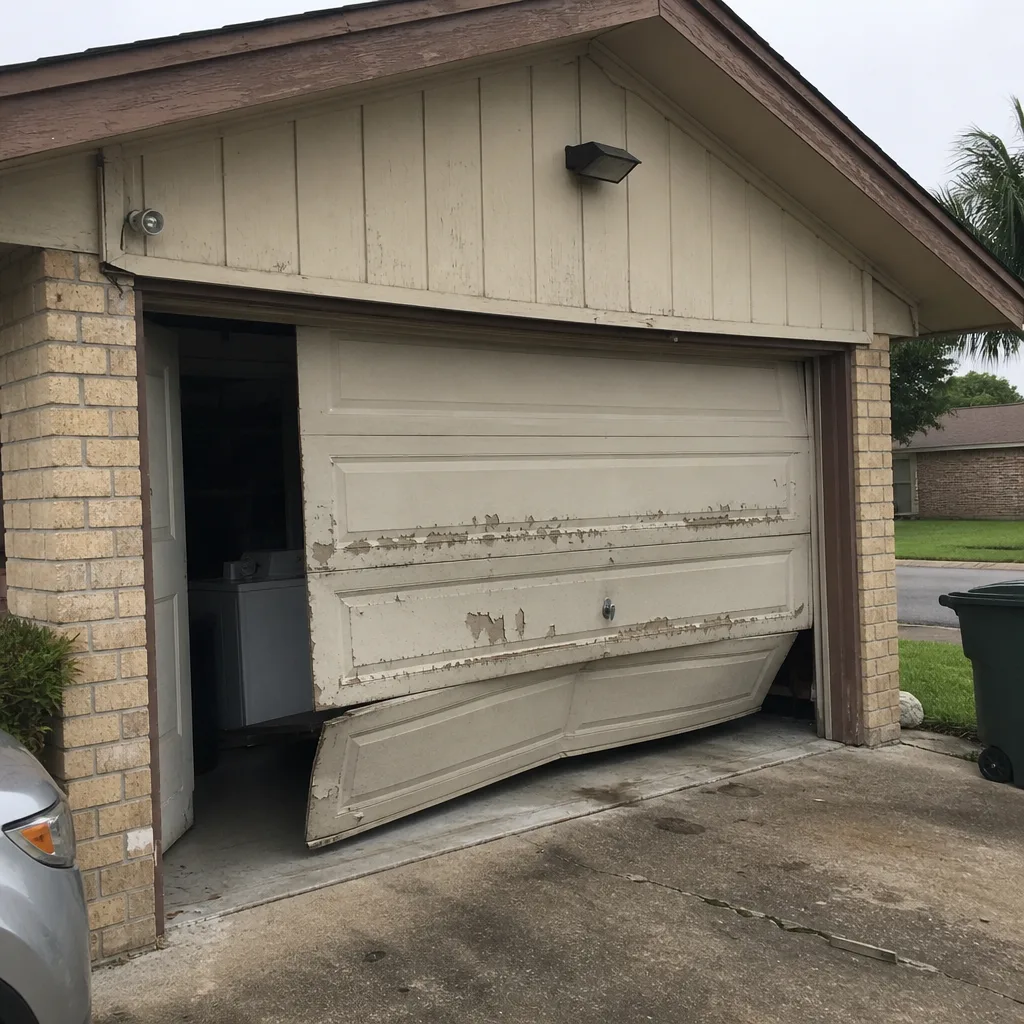 Before
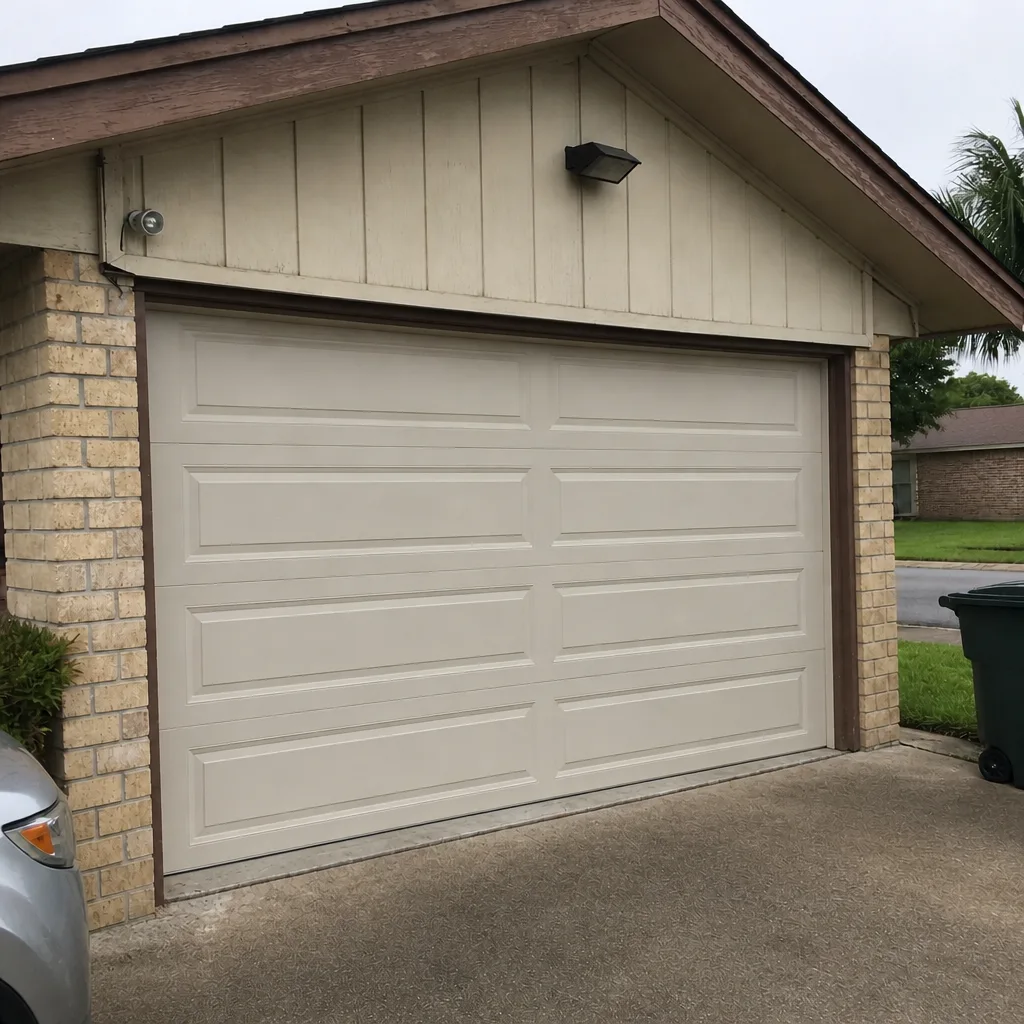 After
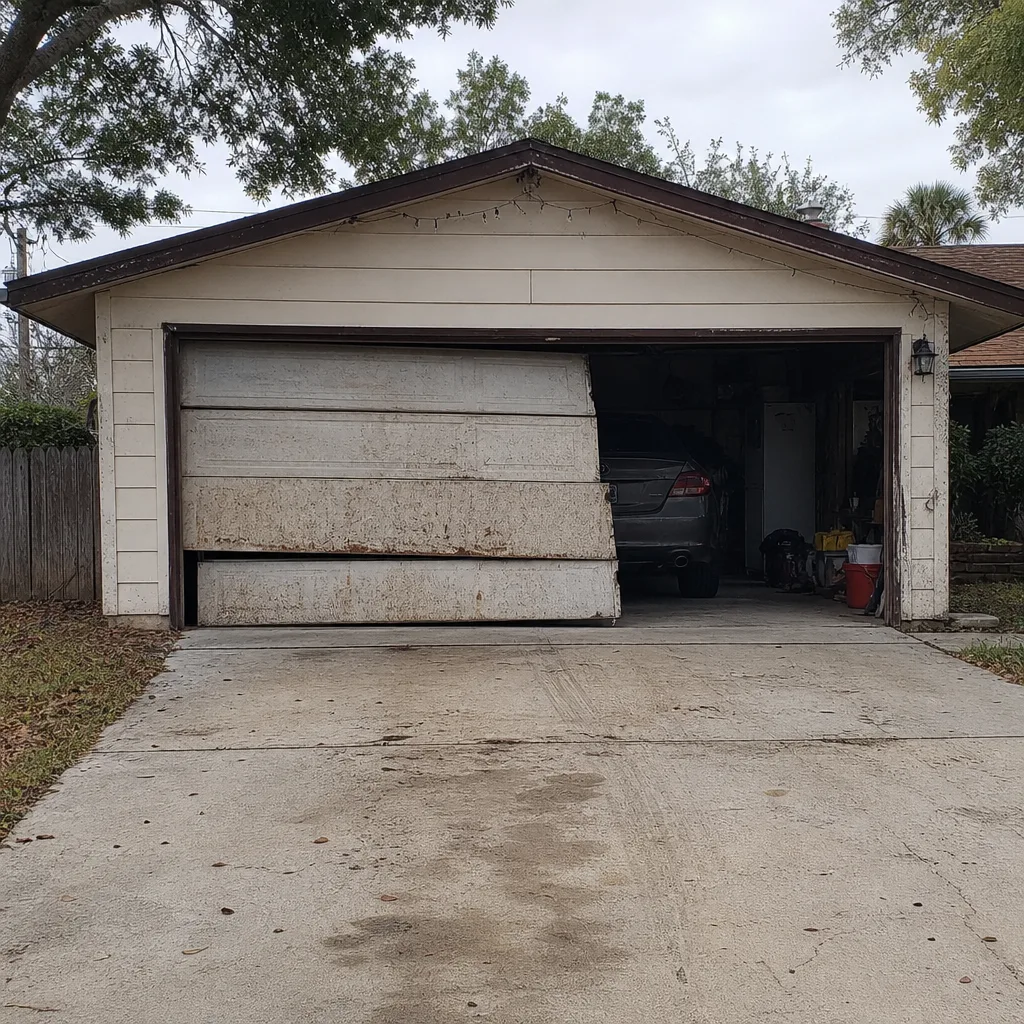 Before
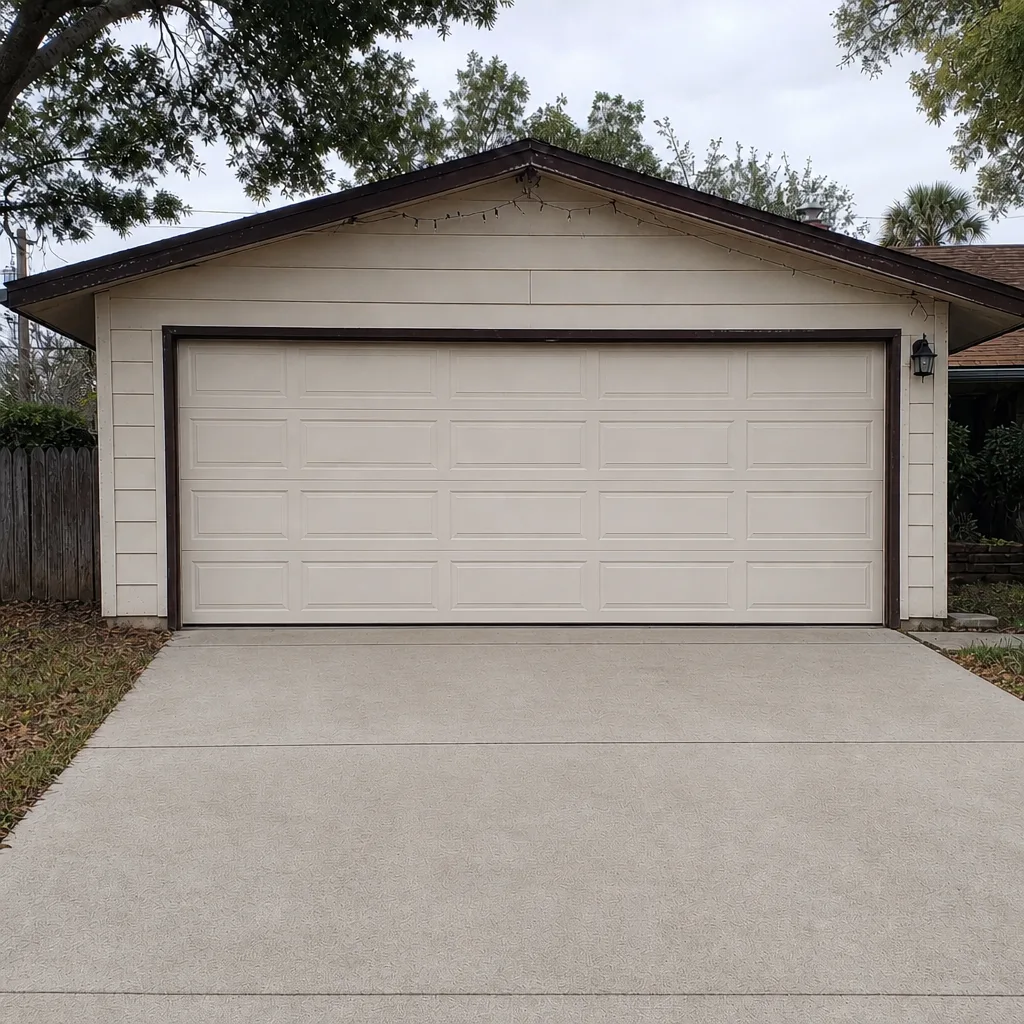 After
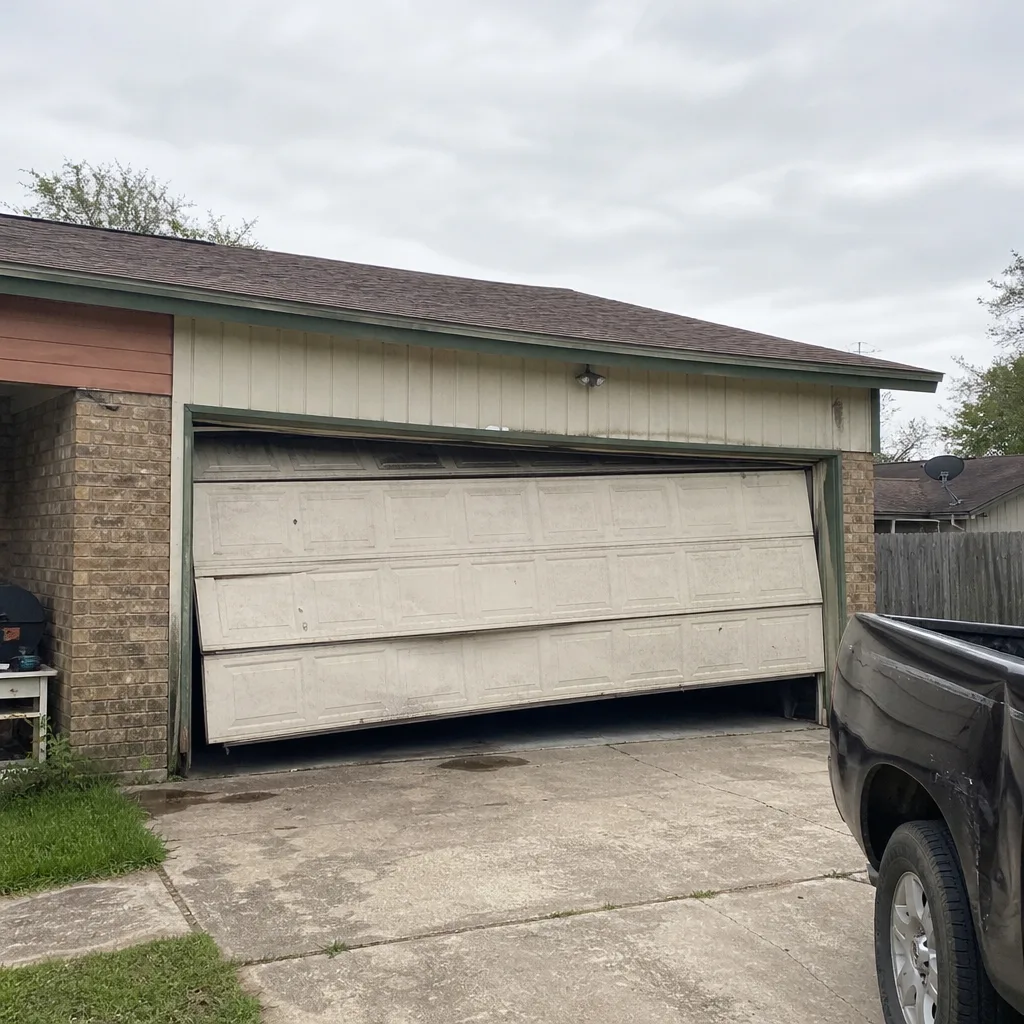 Before
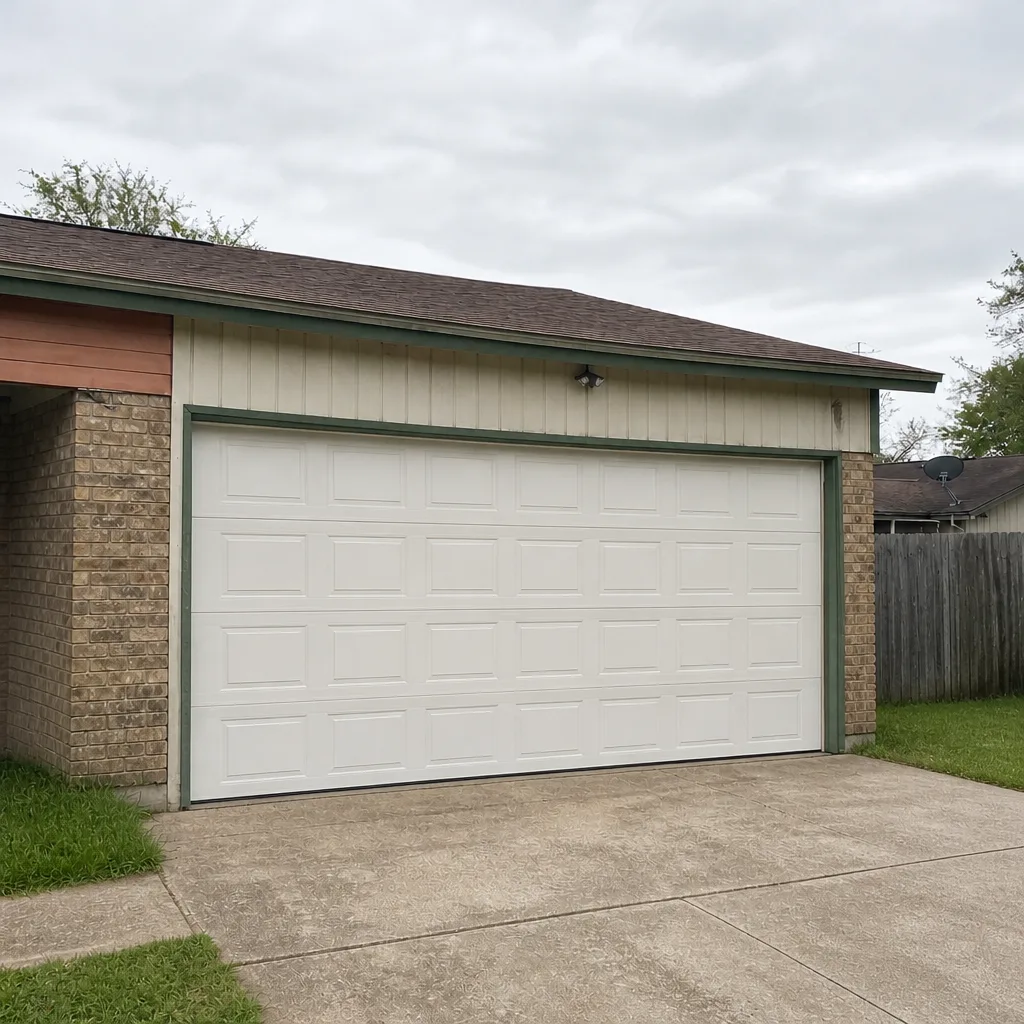 After
When to Call a Professional
Call a professional if the door is being replaced, the opening is being resized, the header or jamb is being modified, or a new electrical circuit is being added for the opener. Call as well if you’re unsure whether your door carries the wind rating it needs for Brownsville, or if you’re buying a house with an unclear permit history on the garage. We’d rather answer a five-minute question than see a homeowner deal with an open permit at closing. Two areas are genuinely dangerous to work on yourself: the high-tension springs and cables that counterbalance the door, and any electrical work on the opener circuit or panel. Both need a trained professional, and both are the kind of thing that looks easier than it is. Amberly Garage Door Repair offers free estimates in Brownsville. Call (855) 360-7115 to talk through the project and what the permit process will look like.
Frequently Asked Questions
Yes, a full garage door replacement usually requires a building permit and a final inspection in Brownsville, because the door is a rated component of the wind-resisting building envelope. The permit is what documents that the door installed is rated for the design wind speed at your address. Call the City of Brownsville building department to confirm the requirement for your specific project, then call (855) 360-7115 for a free estimate.
It depends on the electrical work involved. Swapping a failed opener motor for a like-for-like unit on the existing circuit is usually treated as a repair and doesn’t need a permit. Running new electrical, moving the opener to a new location, or adding a circuit for a Wi-Fi opener is electrical work that typically does require one. Ask the permit office about your specific case, and call (855) 360-7115 so we can tell you what we’ve seen on similar Brownsville jobs.
The correct rating depends on the design wind speed for your address, the size of your door, and whether the door has glazing. There isn’t one answer for the whole city. A door with a strong rating can still underperform if the anchoring is wrong, so the install matters as much as the door. Bring the door size and location to your installer, and ask for the rated configuration in writing. Call (855) 360-7115 for a free estimate that includes the rating discussion.
The inspector verifies code compliance: the door as installed matches the permit submittal, the wind-load label is present, anchoring matches the manufacturer’s instructions, framing is as approved, springs and cables are intact, and the opener’s photo-eyes and reverse function work correctly. It’s a compliance check, not a cosmetic review. If your door is up for inspection and something looks off, call (855) 360-7115 and we’ll look at it before the inspector does.
The contractor doing the work usually pulls the permit, and the permit and inspection record attaches to the property. That distinction matters because the homeowner carries the long-term consequences of an unpermitted job even when the contractor filled out the paperwork. Ask for a copy of the closed permit when the work is done. If you’re not sure your installer will handle it, call (855) 360-7115 and we’ll walk you through how we handle permits on our installations.
Yes. Texas sellers answer disclosure questions about improvements, and a buyer’s inspection can spot an unpermitted door replacement through mismatched labels, missing rated anchoring, or a missing inspection record. The same gap can also raise a coverage question with a homeowners insurer after a wind event, because a rating the property can’t document is a rating it may not be credited with. Getting the permit pulled correctly is the cheap path. For an estimate on a compliant installation, call (855) 360-7115.
The Bottom Line
In Brownsville, the garage door permit question comes down to whether your project changes the door’s structure, its wind rating, or the electrical circuit feeding it. If it does, assume a permit and an inspection. If it’s a repair to an existing rated door, you almost certainly don’t need one. Pulling the permit is the contractor’s job, but the property record is yours to keep, and that record is what protects you at insurance time and at resale. If you’re planning a door replacement in Brownsville and want a straight answer on the rating and the permit, give us a call. Eight brands, every service, one company, and a written quote before anything starts.
Call (855) 360-7115 for a free estimate. We answer 24/7. Fast dispatch from 7am to 7pm, Sunday through Friday, and we’re closed Saturday. If a door fails late in the week, call and we’ll book you into the next opening, Sunday through Friday. Our technicians have up to 12 years of experience, and we handle repair, opener work, and installation for Brownsville homeowners end to end, so there’s no hand-off between trades and no gap in the paperwork.
Written by the team at Amberly Garage Door Repair.